

So you’re thinking about jumping into your first Muay Thai class — exciting! Whether you’re visiting Thailand on holiday, hunting for a new fitness challenge, or simply curious about martial arts, understanding what to expect in your first Muay Thai class can ease nerves and help you show up prepared. In this article, we’ll walk you through every step: from how to prepare physically and mentally, to what a typical class looks like, how Muay Thai etiquette works, and how to get the most out of the experience as a total beginner. Along the way we’ll share practical tips — what to wear, what to bring, how to recover — so you can focus on learning and enjoying your first taste of the “Art of Eight Limbs.” Ready to lace up your gloves (or borrow a pair 😉)? Let’s get started.
Why Muay Thai Is a Great Fit for First-Timers
Muay Thai isn’t just about throwing punches and kicks — it’s a full-body workout, a self-defense system, and a cultural experience rolled into one. For beginners — especially travelers or those seeking a fitness reset — Muay Thai delivers a powerful combination of benefits.
First, from a fitness perspective, Muay Thai classes often burn hundreds of calories while building strength, speed, flexibility, and cardiovascular endurance. Many gyms report that a single class can burn anywhere from 600 - 1000 calories depending on effort and conditioning. Over time, regular training can improve your stamina, coordination, and overall body awareness.
Second, Muay Thai provides practical striking skills using fists, elbows, knees, and shins — a well-rounded foundation for self-defense. The art’s emphasis on real-world effectiveness doesn’t just build confidence; it gives you tools that are useful beyond the gym.
Third — and often overlooked — Muay Thai fosters mental discipline, focus, and resilience. You learn to push through discomfort, respect tradition, and stay committed. For many foreign beginners, training in Thailand also adds a rich cultural dimension: the gym isn’t just a workout space, but an environment steeped in respect, tradition, and community.
Finally, for travelers or expats, Muay Thai offers a perfect mix: you get to experience authentic Thai martial arts, stay active, meet new people, and immerse yourself in a local community — all in one class.
Before You Step Into the Gym: How to Prepare
A little preparation goes a long way — physically, mentally, and logistically.
Physical readiness
If you can, do some light cardio (jogging, cycling, brisk walking) and stretching 2–3 days before class. This primes your muscles, improves mobility, and reduces the chance of heavy soreness afterward. Even basic flexibility work — focusing on hips and legs — can help you kick and move more comfortably.
Nutrition & hydration
Thailand’s gyms can be hot and humid. Muay Thai training is intensive, so you’ll sweat a lot. Eat a light, easily digestible meal about 1–2 hours before class — for example a banana, a smoothie, or a small portion of rice or oatmeal. Avoid heavy or greasy meals right before training; otherwise you might feel sluggish or even nauseous. Experts recommend hydrating well before class starts (and bring a water bottle with you).
What to bring / wear
For your first class you don’t need fancy or expensive gear. A basic moisture-wicking t-shirt and sports shorts (or athletic leggings) are usually fine. Training is typically done barefoot — most gyms won’t require shoes.
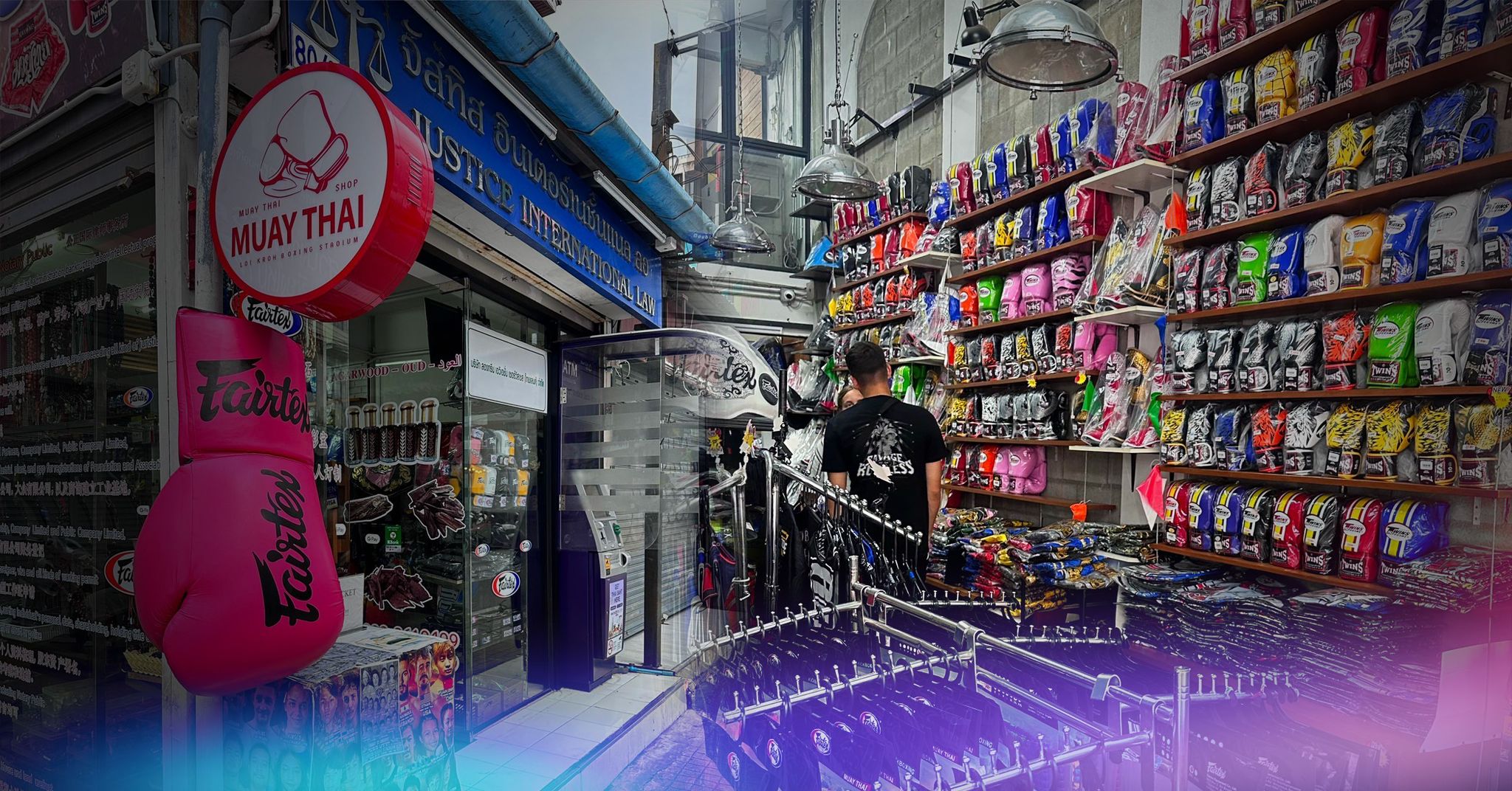
Bring a water bottle (you’ll likely sweat a lot), a towel, and optionally hand wraps if you have them. If not, many gyms will lend you gloves or wraps.
Lastly — and perhaps most importantly — come with an open mind and a willingness to learn. Don’t expect to be perfect or powerful on your first day. Remember: everyone starts from zero.
What Actually Happens in a First Muay Thai Class
Every gym is a little different — but most beginner-friendly classes follow a similar structure. Below is a breakdown of the typical flow based on common practices around Thailand and globally.
Warm-up & Mobility Work (15–30 min)
Every session begins with a warm-up to prepare your body for the workout ahead. Expect a mix of:
-
Jump rope — improves footwork and cardiovascular endurance.
-
Dynamic stretching and mobility drills — loosens muscles and joints, helps prevent injuries.
-
Shadow boxing — practicing basic punches, kicks, knees, and movement in the air to build muscle memory, loosen up, and rehearse form.
This warm-up sets the tone: you’ll get your heart rate up, feel your muscles waking up — and mentally switch into training mode. For many beginners, this part already feels like a workout.
Technique Drills: Basics First
After warming up, the instructor will usually guide you through fundamental Muay Thai techniques. You’ll learn:
-
Proper stance and footwork — how to stand, shift weight, move around.
-
Basic punches — jab, cross, hook, uppercuts (or Thai-style punches)
-
Kicks & knees — for instance, roundhouse kicks, push kicks (teep), knee strikes.
-
Elbows (if the gym uses them in beginners class) — close-range strikes.
-
Defensive movements — basic blocking, footwork, maybe simple parries or head movement.
Expect the coach to demonstrate slowly, break down each move, then have you repeat it many times. The point isn’t power — it’s control, balance, and correct form.
Pad Work & Bag Work (20–40 min)
Once you have some basic strikes and movement down, you’ll often transition to pad work or heavy-bag drills. This is usually one of the most exciting parts for beginners:
-
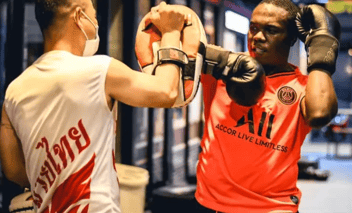
Coaches (or training partners) hold Thai-pads or focus mitts. You practice combinations — punches, kicks, knees, maybe light elbows — at moderate power (so it doesn’t sting, especially if you’re new).
-
Hitting the heavy bag helps you feel impact, learn how to generate power properly (with hips, balance, and stance), and practice coordination under a “target”.
This is where theory becomes more physical: you see how a real strike feels, what balance and distance feel like when you hit something tangible — important for building confidence and muscle memory.
Conditioning & Cool-Down (10–15 min)
After the striking drills, many classes include a short conditioning segment — bodyweight exercises like push-ups, squats, core work, or perhaps some light cardio. This helps build the strength and endurance needed for Muay Thai.
Finally, the class wraps up with stretching / cooldown — static stretches focusing on legs, hips, shoulders, to aid flexibility and recovery. Good cooldown helps reduce soreness and improve mobility over time.
Some gyms may even add a short moment of rest, breathing, or a quick chat where beginners can ask questions or get feedback.
What Beginners Should Expect (And What They Shouldn’t)
You probably won’t spar — at least not yet
For safety, and to allow skill development, most gyms avoid sparring on day one (often for several weeks). Instead, the focus stays on form, technique, and control.
That means no hard hits, no bruises — unless you’re very unlucky. For many, the first few classes are about learning to move, not about fighting.
Expect to be tired, sore, out of breath — that’s normal
If you’re not used to martial-arts-style cardio or full-body workouts, you might feel winded. Muay Thai uses your whole body — legs, core, arms, back — so muscles you don’t often use may scream a bit.
Indeed, some first-timers even describe the first class as “brutal but rewarding.” But with proper pacing, rest, and consistent training, your body adapts fast.
Technique matters more than power — especially early on
Beginners often want to hit hard, but striking fast or powerful without correct form leads to bad habits — or even injury. That’s why most coaches stress balance, control, coordination, and form first.
There’s likely to be a supportive, welcoming vibe
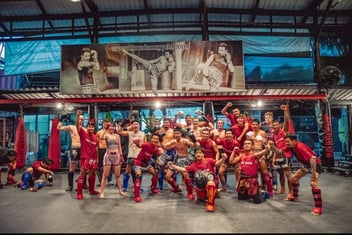
Many gyms worldwide — and especially those that cater to foreigners — cultivate a friendly atmosphere. Coaches expect first-timers to struggle; classmates understand. At gyms designed for beginners, people often help each other, offer encouragement, and give corrections.
This camaraderie — combined with a bit of humility and willingness to learn — can make your first Muay Thai class both rewarding and fun.
Common Discomforts & How to Handle Them
Starting something new and physically demanding can come with a few bumps. Here’s what many newbies face — and what you can do to manage it.
Soreness, muscle ache, “bruises” (or at least pain)
Using muscles you rarely engage — especially legs, core, hips — can lead to soreness 1–2 days after class. That’s normal. Also, if you strike the bag awkwardly or with improper form, wrists, shins, or knuckles may feel tender.
What to do:
-
Hydrate well. Drink water before, during, and after class.
-
Stretch gently after class and on rest days to help circulation and flexibility.
-
Use rest days — don’t overtrain. Recovery is part of progress. Many gyms and trainers recommend spacing out sessions at first.
-
Consider light recovery methods: foam rolling, gentle walks, warm baths, proper sleep, nutrition.
Fatigue, shortness of breath, light-headedness (especially first few classes)
Because Muay Thai involves high-intensity movement, especially for beginners, it’s common to get tired fast or feel dizzy. Jump rope, pad work, bag work — all elevate heart rate fast.
What to do:
-
Don’t push too hard. Focus on controlled technique rather than power or volume.
-
Take short water breaks if needed.
-
Breathe — don’t hold your breath when striking or during drills.
-
Inform your coach if you feel unwell — good gyms understand and will let you adjust.
Mental intimidation or nervousness
Stepping into a striking gym for the first time can feel nerve-wracking — “Will I keep up?” “Will I get hurt?” “Are they going to judge me?”
What to remember:
-
Every Muay Thai practitioner started as a beginner. Trainers expect that. Many gyms are explicitly beginner-friendly.
-
Approach class as a learning experience — not performance. Your job is just to show up, listen, and try.
-
Talk to the coach or other students if you’re unsure. Most will help you along patiently.
Muay Thai Etiquette & Gym Culture (Especially in Thailand)
If you’re training in Thailand — or anywhere a Thai-run gym — respecting local customs and gym culture matters.
-
Respect & humility: When you enter the gym, greet your trainer and fellow students politely. In Thailand, that’s often done with a wai / sawasdee. Many gyms expect students to behave with respect and modesty.
-
Hygiene: Trim your fingernails and toenails before class; avoid jewelry or piercings (they can scratch mats or hurt training partners).
-
Dress appropriately: Comfortable athletic wear; avoid loose clothes that can get in the way. Most gyms expect trainees to be barefoot on mats or ring floors.
-
Be on time (or early): Arriving ~10–15 minutes before class gives you time to meet the coach, wrap hands (if needed), settle in, warm-up lightly.
-
Openness to feedback: Muay Thai is technical. Be prepared for correction and repetition. Listen when coaches demonstrate moves. Accept feedback — that’s how you improve.
By embracing the culture and etiquette, you not only show respect, but also integrate more smoothly, build good relationships, and get more from your training.
Tips to Get the Most from Your First Class (and the Next Ones)
Here are practical strategies to maximize your experience, especially as a first-timer or tourist/starter:
-
Arrive early — arriving 10–15 minutes before class gives you time to meet the coach, wrap hands (if needed), stretch lightly, and mentally prepare.
-
Ask questions — don’t be shy. If you don’t understand a stance, a footwork pattern, or a punch — ask. Good coaches will gladly clarify or correct your form.
-
Focus on form over power — especially important early on. Slow, controlled movements build a solid foundation; rushing for power early can cause injury or bad habits.
-
Consistency > intensity — instead of trying to crush every session, try attending regularly (2–3 times/week or whatever suits you). Skill and fitness build up gradually.
-
Stay hydrated & eat right — especially in Thailand’s heat. Bring a water bottle, and eat a light, balanced snack 1–2 hours before class. Supergirl Jaroonsak
-
Respect the etiquette & gym culture — clean gear, trimmed nails, no jewelry, courtesy to trainers and classmates — this helps you fit in and avoid awkwardness.
-
Listen to your body — rest when needed — if you feel dizzy, overly sore, or unwell, take a break. It’s a long-term journey, not a sprint.
What If You’re a Total Beginner: No Fitness, No Experience?
Good news: That’s perfectly fine. Many Muay Thai gyms are designed with complete beginners in mind — even those who have never exercised or done any martial arts before.
-
Muay Thai is skill-based: as long as you engage — even slowly — you’ll improve. You don’t need to be “in shape” to start.
-
Everyone starts somewhere: expecting to be perfect after the first class is unrealistic. Early discomfort, soreness, breathlessness are common — and expected.
-
Over time, your body adapts: improved stamina, flexibility, strength — far beyond what you had when you started. And you build confidence, discipline, and a new skill set.
So don’t let “lack of fitness” be a barrier. The hardest part is often just walking through the gym door. After that, you just need consistency and patience.
Quick Takeaways
-
First Muay Thai class = warm-up + basics + pad/bag work + conditioning + cooldown.
-
Focus on proper technique, not power. First classes train form, balance, coordination, not knockouts.
-
You might be sore, tired, and out of breath — that’s expected. Your muscles and cardio adapt over time.
-
Bring water, towel, and wear comfortable clothes. Most gyms provide gloves/wraps for first-timers.
-
Respect gym culture and etiquette, especially in Thailand. Humility, cleanliness, and politeness go a long way.
-
Consistency and patience matter more than intensity. Progress builds gradually.
-
Anyone can start — no need for prior fitness. Muay Thai classes cater to complete beginners too.
Conclusion
Your first Muay Thai class can be a bit intimidating — but it’s also one of the most rewarding and enriching experiences, especially if you approach it with an open mind. You’ll get a full-body workout, sharpen your coordination, learn real striking skills, and tap into a rich cultural tradition. Yes — expect sweat, fatigue, maybe some soreness. But with proper preparation, hydration, respectful attitude, and a focus on technique over power, your first class can set the tone for a rewarding Muay Thai journey.
Whether you’re in Thailand on holiday, looking for a new fitness routine, or simply curious — this is a chance to try something truly authentic. So pack your water bottle and towel, wear breathable clothes, show up with respect and a willingness to learn — and enjoy your first step into the world of the Art of Eight Limbs.
If you feel inspired, why not book your first class now, see how it feels — and take that leap!
FAQs
Q: Do I need to be fit before my first Muay Thai class?
A: Not at all. Many Muay Thai gyms welcome complete beginners. The classes are structured to build skill, stamina, and strength gradually — so even if you’re not in shape, you can start learning and improving over time.
Q: Will I have to spar or fight on day one?
A: Almost certainly no. Beginner classes focus on form, technique, pad work, and bag drills. Sparring is typically reserved for more advanced or experienced students.
Q: What should I wear and bring to my first class?
A: Wear comfortable, breathable athletic clothes (shorts and a T-shirt or leggings). Bring a water bottle, towel, and — if you have them — hand wraps. Many gyms lend gloves or wraps for first-timers.
Q: I’m worried I’ll be too tired or sore — is that normal?
A: Yes. Muay Thai uses many muscle groups and often involves cardio, strength, and flexibility work all in one session. Sore muscles or breathlessness afterward is common, especially if you’re new. With consistent training and good recovery, your body will adapt.
Q: What if I don’t know anything about Muay Thai — will I feel lost?
A: Not at all. Good beginner-friendly gyms break down movements slowly, guide you step-by-step, and expect questions. As long as you’re open, humble, and ready to learn, you’ll be fine.