



Quick Takeaways
- Three distinct training paths exist: Fitness-focused (2-3 sessions weekly, cardio emphasis, minimal contact), Hobbyist/Lifestyle (3-4 sessions weekly, technical development, optional light sparring), and Competitive (4-6 sessions weekly, fight preparation, mandatory hard sparring)
- Training frequency determines results: Research shows training 1-2 times weekly improves technique but condition declines, 3 times weekly maintains fitness, while 4+ sessions weekly drives physical and mental improvements
- Weekly time commitments vary dramatically: Fitness path requires 3-6 hours weekly, hobby path needs 6-10 hours weekly, competitive path demands 10-18+ hours weekly including conditioning and recovery
- Sparring intensity differs substantially: Fitness practitioners avoid contact entirely, hobbyists do optional light technical sparring, competitive fighters engage in mandatory hard sparring 2-3 times weekly
- Injury risk scales with intensity: Annual injury rates are 13.5 per 1,000 participants for beginners, 2.43 per 1,000 for amateurs, and 2.79 per 1,000 for professionals, with competition creating highest risk
- Path flexibility allows evolution: Most beginners start fitness or hobby paths and can transition to competitive training after 6-12 months of fundamentals, or scale back from competitive to recreational as life changes
- Success metrics are path-specific: Fitness success means improved health markers and consistency, hobby success includes technical proficiency and enjoyment, competitive success requires fight performance and rankings
- Recovery needs increase with intensity: Fitness practitioners need basic sleep hygiene, hobbyists require deliberate recovery practices, competitive fighters need structured periodization and possible professional recovery support
Introduction: There Is No Single "Correct" Muay Thai Path
You walk into your first Muay Thai class and immediately notice the diversity. One person trains purely for weight loss, drenched in sweat but showing minimal interest in technique details. Another practices combinations with intensity and precision, clearly focused on skill development. A third works with brutal intensity, preparing for an upcoming fight. They're all training in the same space, but they're on completely different paths.
This is one of Muay Thai's greatest strengths and biggest sources of beginner confusion. Unlike sports with singular objectives—you play basketball to win games, you swim to complete races faster—Muay Thai accommodates multiple training paths with distinct goals, commitments, intensities, and outcomes. Understanding these paths before you commit to one helps you make informed decisions that align with your actual priorities rather than what you think you should want or what others expect.
Many beginners waste months training the wrong way for their real goals. The person who wants fitness benefits gets pushed toward competitive sparring they never wanted. The person with competitive ambitions stagnates in fitness-only classes that don't prepare them adequately. The recreational hobbyist feels guilty not training hard enough because competitive fighters at their gym make them feel inadequate. These misalignments create frustration, burnout, and ultimately abandonment of training.
The truth that gym marketing and social media often obscure: there is no hierarchy of legitimacy. Fitness-focused practitioners aren't lesser or less committed than fighters. Hobbyists who never compete aren't wasting their training. Competitive fighters aren't inherently more dedicated or authentic. Each path serves different needs, requires different commitments, and produces different outcomes—all equally valid for the people who choose them.
This comprehensive guide breaks down three primary Muay Thai training paths: Fitness-Focused, Hobbyist/Lifestyle, and Amateur/Competitive. You'll learn what each path actually entails beyond surface descriptions, how weekly schedules differ across paths, what to expect regarding conditioning demands, sparring requirements, and clinch work, how injury risk and recovery needs scale with intensity, when and how you can switch paths as your goals evolve, and how to set appropriate short-term and long-term goals for your chosen path.
By the end, you'll understand not just which path might suit you now, but how to structure your training to achieve your specific objectives rather than training randomly and hoping for results.
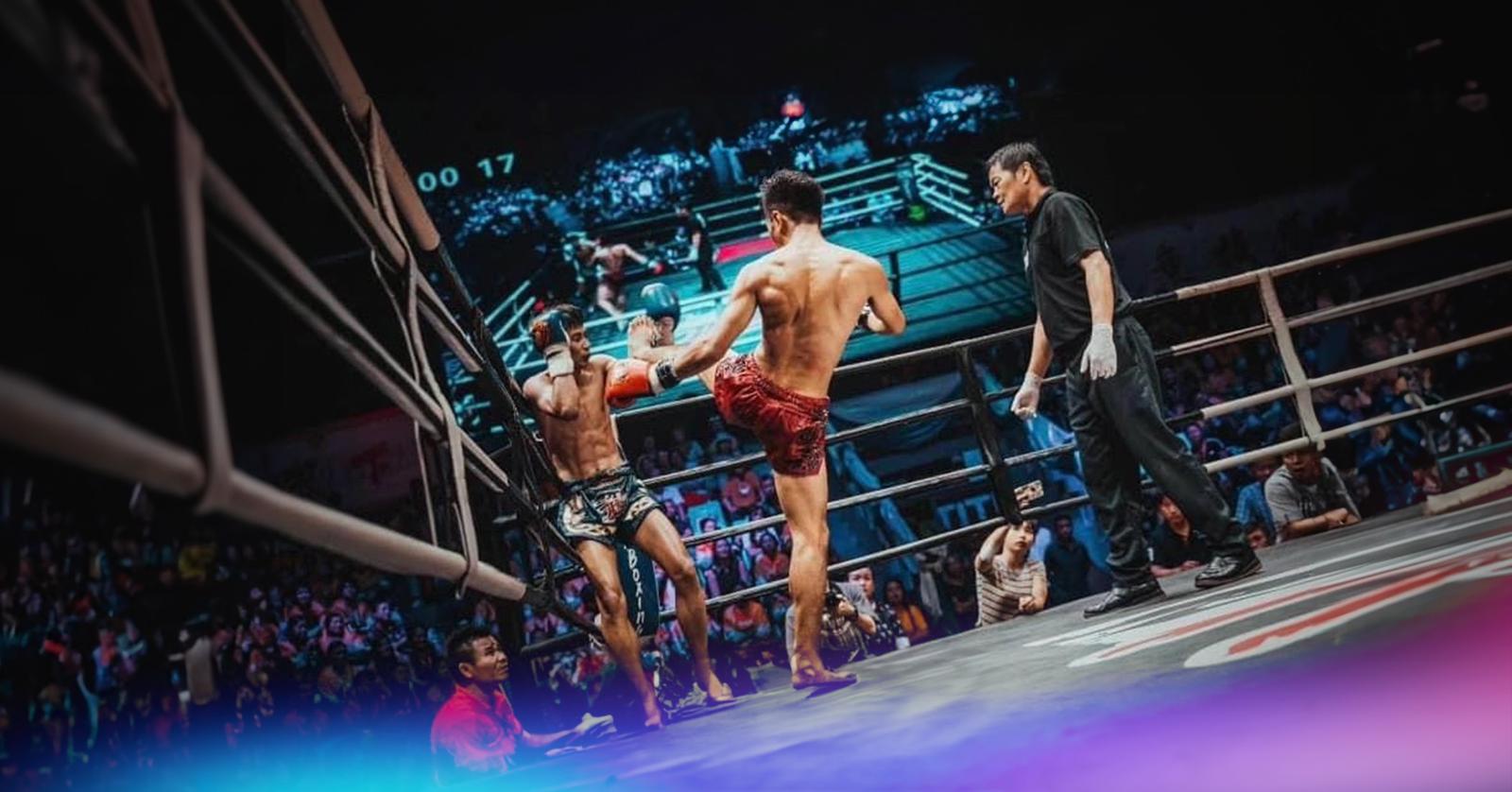
Fitness-Focused Training Path: Health and Conditioning Priority
The fitness-focused Muay Thai path treats the martial art primarily as an extremely effective conditioning tool that burns calories, builds cardiovascular endurance, develops functional strength, and provides structure to exercise routines. Practitioners on this path care about fitness results first, with technique development being secondary or instrumental to achieving those fitness goals.
Core Characteristics of Fitness Training
Fitness-focused Muay Thai training emphasizes high-intensity cardiovascular work using Muay Thai movements and combinations. Classes structured around this path typically feature group formats similar to other fitness classes, extended cardio-focused rounds on bags and pads, minimal emphasis on technical corrections beyond safety, little to no partner work beyond pad holding, and no sparring or contact requirements.
The technical instruction exists primarily to ensure safe execution and maximize cardio output rather than developing fighting capability. You'll learn basic punches, kicks, knees, and elbows—enough to hit bags and pads effectively—but detailed technical refinement takes lower priority than maintaining heart rate and burning calories.
Research shows a single Muay Thai session can burn 600-1,000 calories for most people, making it one of the most efficient cardiovascular activities available. The full-body nature of striking—engaging legs, core, shoulders, and cardiovascular system simultaneously—creates exceptional conditioning benefits.
Typical Weekly Training Schedule for Fitness
Fitness-focused practitioners typically train 2-3 times weekly for 60-90 minutes per session. This frequency provides sufficient stimulus for cardiovascular improvements and weight management while allowing adequate recovery and fitting into busy schedules with work, family, and other commitments.
Sample Fitness-Focused Weekly Schedule:
- Monday: 60-minute Muay Thai conditioning class (bag work, pad work, bodyweight conditioning)
- Tuesday: Rest or light activity (walking, yoga, stretching)
- Wednesday: Rest or cross-training (weight training, cycling, swimming)
- Thursday: 60-minute Muay Thai conditioning class
- Friday: Rest
- Saturday: 75-90 minute Muay Thai class or cross-training
- Sunday: Rest and recovery
Total weekly time commitment: 3-6 hours including travel and preparation. Additional strength training or mobility work is optional and based on individual preferences rather than required for progression.
What Fitness Training Looks and Feels Like
A typical fitness-focused Muay Thai class begins with group warm-up featuring jump rope, dynamic stretching, and shadowboxing to elevate heart rate. The main portion involves multiple rounds (usually 3-5 minutes each) of bag work practicing combinations the instructor calls out, pad work with partners focusing on maintaining intensity and combinations, bodyweight conditioning circuits (push-ups, squats, burpees, core work), and sometimes partner drills emphasizing coordination over contact.
Classes conclude with cool-down stretching and possibly core work. The atmosphere is high-energy, group-motivated, and supportive rather than technically demanding or competitive. Instructors focus on keeping everyone moving, maintaining intensity, and providing encouragement more than detailed technical corrections.
Skill Development Expectations
Progress in fitness-focused training is measured primarily through fitness improvements rather than fighting capability. After 3-6 months of consistent training 2-3 times weekly, you can expect improved cardiovascular endurance allowing you to complete full classes without excessive fatigue, significant calorie burn contributing to weight loss or body composition changes, basic competency with fundamental strikes allowing effective bag and pad work, improved coordination and body awareness, and increased functional strength from repeated striking movements.
Your punches and kicks won't look like an experienced fighter's, but they'll be adequate for fitness purposes. You'll understand basic combinations well enough to flow through bag work without constant confusion. Your conditioning will improve dramatically even if technical refinement remains basic.
When Fitness Training Works Best
This path suits you if your primary goals include weight loss or body composition changes, cardiovascular fitness improvements, stress relief through intense physical activity, structured group exercise environments, and zero interest in fighting, competing, or contact sports. You want the fitness benefits Muay Thai provides without the technical depth, time commitment, or contact requirements of more serious training paths.
Many people train this way successfully for years, achieving excellent fitness results and genuine enjoyment without ever progressing toward sparring or competition. This is completely legitimate and arguably the most common way people engage with Muay Thai worldwide.
Limitations of Fitness-Only Training
While excellent for fitness goals, this path has clear limitations if your interests evolve. The technical instruction won't prepare you adequately for actual fighting or self-defense applications. You won't develop the timing, distance management, defensive reflexes, or mental attributes that come from controlled contact sparring. If you later develop competitive interests, you'll need to essentially restart technical training with proper fundamentals.
Additionally, some fitness-focused gyms sacrifice technique to dangerous degrees in pursuit of cardio intensity. Repeatedly practicing poor form under fatigue creates injury risk and habits that become difficult to correct later.
Hobbyist / Lifestyle Training Path: Skill Development and Engagement
The hobbyist training path treats Muay Thai as a serious skill-building pursuit and lifestyle engagement without competitive objectives. Practitioners on this path care deeply about technical proficiency, understanding principles, and continuous improvement—but within recreational contexts rather than fight preparation.
Core Characteristics of Hobbyist Training
Hobbyist Muay Thai training balances technical skill development with fitness benefits. Classes and training for this path feature detailed technical instruction with regular individual corrections, systematic progression through technique curriculum, optional light sparring focused on technical application, clinch training for skill development rather than dominance, and recognition that practitioners have varying goals and comfort levels with contact.
Training at three times per week helps maintain fitness levels, while four or more sessions per week leads to both physical and mental improvements. The instruction quality is substantially higher than fitness-focused classes. Coaches break down techniques comprehensively, explain why movements work certain ways, provide analogies and corrections, and expect gradual technical improvement over time.
Typical Weekly Training Schedule for Hobbyists
Hobbyist practitioners typically train 3-4 times weekly for 60-90 minutes per session, with some adding supplemental conditioning or mobility work. This frequency provides sufficient repetition for technical skill development while remaining sustainable alongside full-time work and other life commitments.
Sample Hobbyist Weekly Schedule:
- Monday: 75-minute technique-focused class (detailed instruction, drilling, pad work)
- Tuesday: 30-minute home conditioning or mobility work
- Wednesday: 90-minute general training class (technique, conditioning, pad work)
- Thursday: Rest
- Friday: 75-minute technique class including optional light sparring
- Saturday: 90-minute class or open gym practice time
- Sunday: Rest and recovery, possibly active recovery (light cardio, stretching)
Total weekly time commitment: 6-10 hours including travel, preparation, and supplemental training. More serious hobbyists might add strength training, extra conditioning, or additional practice sessions, but this isn't required for steady progression.
What Hobbyist Training Looks and Feels Like
A typical hobbyist-focused class begins with structured warm-up including jump rope, shadowboxing with specific focus, and mobility drills preparing for technical work. The main training portion involves technical instruction where coaches demonstrate new techniques or refine previously learned movements, drilling these techniques with partners using progressive resistance, pad work applying techniques in combinations with coaching feedback, bag work emphasizing proper form and power generation, and optional sparring sessions (typically once or twice weekly) conducted at controlled intensity.
Classes balance intensity with technical focus. You work hard, but not at the relentless pace of competitive training. There's time for questions, corrections, and understanding why techniques work rather than just repeating them mechanically.
Skill Development Expectations
Progress in hobbyist training emphasizes technical proficiency and understanding. After 6-12 months of consistent training 3-4 times weekly, you can expect solid fundamental technique in basic strikes, good understanding of combinations and flow, developing timing and distance management from light sparring, improved defensive reflexes and movement patterns, clinch fundamentals and basic control techniques, and ability to teach basic techniques to newer students.
After 2-3 years, hobbyists often reach impressive technical levels—not equivalent to competitive fighters training twice as frequently, but genuinely proficient in the art. You'll move smoothly, strike with proper form and power, understand tactical principles, and spar competently with technical control.
Sparring in Hobbyist Training
Sparring for hobbyists is optional and conducted at light to moderate intensity focusing on technical application rather than winning. It's a learning tool, not a test. Good hobbyist programs establish clear guidelines for light technical sparring, matching participants by size, experience, and comfort level, requiring protective equipment (larger gloves, headgear, shin guards), and providing coaching supervision and intervention when intensity escalates inappropriately.
Many hobbyists spar regularly and enjoy testing techniques under resistance. Others avoid sparring entirely and focus purely on pad work and bag training. Both approaches are accommodated in good hobbyist-friendly gyms without judgment or pressure.
When Hobbyist Training Works Best
This path suits you if you want genuine technical proficiency in Muay Thai, enjoy systematic learning and skill development, appreciate martial arts culture and tradition, like training alongside serious practitioners without competing yourself, want optional controlled sparring for skill application, and can commit 3-4 training sessions weekly sustainably. You respect Muay Thai as a martial art worth studying deeply but have no current competitive ambitions.
Many hobbyists train this way for decades, continuously refining technique, perhaps taking occasional private lessons, and becoming genuinely skilled without ever competing. Some eventually develop competitive interest and transition to fighter training. Others remain purely recreational but highly proficient.
Limitations and Considerations
Hobbyist training requires more time and commitment than fitness training. If you're struggling to manage 2-3 sessions weekly, attempting 3-4 sessions will likely lead to burnout or inconsistency. The technical focus also means progress feels slower in some ways—you're refining subtleties rather than just getting exhausted repeatedly.
Additionally, hobbyist training without eventually incorporating at least light sparring may leave you with technique that looks good but doesn't function under resistance. Many hobbyists discover their "perfect" technique falls apart when someone counters or pressures them. Controlled sparring, even light, provides essential feedback that drilling alone cannot.
Amateur & Competitive Training Path: Fight Preparation and Performance
The competitive training path prepares practitioners for amateur or professional Muay Thai competition. Everything—technique, conditioning, sparring, mental preparation—serves the goal of performing effectively in the ring under real fight conditions. This path demands the highest commitment, intensity, and sacrifice.
Core Characteristics of Competitive Training
Competitive Muay Thai training structures everything around fight preparation. Training for this path includes high-frequency training (4-6 sessions weekly minimum, often twice daily), mandatory hard sparring multiple times weekly, intensive conditioning beyond technique work, systematic strength and power development, weight management and nutrition planning, fight-specific tactical preparation, and mental training for competition pressure.
Competitive models typically include between six to twelve weekly Muay Thai sessions, two resistance training sessions, and three cardio sessions. The extreme model for fighters training in Thailand with no other responsibilities involves the same resistance and cardio sessions but maximal Muay Thai technical volume.
Technical training in competitive programs assumes fight application. Coaches don't just teach techniques—they teach when to use them, how opponents will counter, what works in your specific weight class, and how to develop fight-winning strategies.
Typical Weekly Training Schedule for Competitors
Competitive practitioners train 4-6 times weekly with frequent double sessions (morning and evening training on the same day). Traditional Muay Thai gyms in Thailand run morning and afternoon sessions 5-6 days weekly. Fighters train twice daily with rest periods between sessions.
Sample Competitive Weekly Schedule:
- Monday AM: 90-minute technical session (pad work, bag work, clinch)
- Monday PM: 60-minute conditioning (running, strength training, interval work)
- Tuesday AM: 90-minute sparring and technical session
- Tuesday PM: Rest or light active recovery
- Wednesday AM: 90-minute technical session with heavy clinch work
- Wednesday PM: 60-minute conditioning
- Thursday AM: 90-minute sparring and pad work session
- Thursday PM: Rest or light recovery
- Friday AM: 90-minute technical session and conditioning
- Friday PM: Rest
- Saturday: 120-minute intensive training (all elements combined)
- Sunday: Complete rest and recovery
Total weekly time commitment: 10-18+ hours of actual training, plus meal prep, recovery work (ice baths, massage, stretching), weight management, mental preparation, and travel time. Competitive training becomes a part-time to full-time commitment depending on level.
What Competitive Training Looks and Feels Like
Competitive training sessions are grueling and intense. A typical morning session for fighters starts with running 3-5 miles (5-10 km) at 5-6 AM, followed by return to gym for technical work. After brief water and breathing recovery, fighters go through multiple rounds of jump rope and shadowboxing warm-up, then 5-8 rounds of intensive pad work with coaches pushing both technique and conditioning, 3-5 rounds of heavy bag work emphasizing power and combinations, clinch training involving actual resistance and dominance battles, and conditioning finishers (sprints, bodyweight exercises, core work).
Professional Muay Thai fighters typically complete 3-minute rounds matching actual fight duration, while some amateurs train 2-minute rounds. The intensity is relentless. Coaches push fighters past comfort consistently. Rest periods are minimal. The goal is building the conditioning, mental toughness, and technical sharpness needed for actual fights.
Sparring and Clinch in Competitive Training
Sparring for competitors is mandatory, frequent, and conducted at varying intensities from light technical work to hard fight-simulating rounds. Fighters typically spar 2-3 times weekly minimum, with intensity increasing as fights approach. Good competitive programs use periodization, incorporating light sparring during skill development phases, moderate sparring during conditioning phases, and hard sparring during fight camps.
Sparring sessions often involve 5-8 rounds with multiple partners, simulating fight conditions including fatigue and tactical adjustments. Coaches observe carefully, providing tactical feedback between rounds and ensuring sparring remains controlled and productive rather than ego-driven brawling.
Clinch work for competitors is similarly intense. You're not just learning clinch techniques—you're battling for dominant positions against resisting opponents, often for extended periods that build both technique and the specific cardiovascular demands clinching creates.
Skill and Performance Development
Progress in competitive training is measured by fight performance, rankings, and continuous improvement against increasingly skilled opposition. The minimal training model that allows continued progress involves two Muay Thai sessions, two resistance training sessions, and one cardio session weekly, as Muay Thai sessions provide sufficient cardio stimulus.
After 6-12 months of competitive training with proper coaching, fighters are typically ready for their first amateur bouts at local levels. After 2-3 years of consistent competitive training, fighters may progress to regional or national amateur competition. Professional competition readiness typically requires 3-5+ years of training, though some exceptionally dedicated or naturally talented fighters progress faster.
Technical proficiency reaches levels far beyond fitness or hobbyist practitioners due to training volume, quality coaching, constant pressure testing through sparring, and fight experience providing irreplaceable learning. The combination of technical skill, tactical awareness, conditioning, mental toughness, and actual ring experience creates capability that casual training cannot replicate.
When Competitive Training Works Best
This path suits you if you have strong competitive drive and desire to test yourself in fights, can commit 10-18+ hours weekly to training consistently, have no major time constraints from work or family preventing intensive training, possess or can develop high pain tolerance and mental toughness, are comfortable with substantially increased injury risk, can manage weight cutting and nutritional demands, and find meaning and satisfaction in competition outcomes.
Competitive training isn't inherently superior to other paths—it serves specific goals that not everyone shares. It requires sacrifices many people aren't willing or able to make: time away from family and other pursuits, physical discomfort and potential injuries, psychological stress from competition, financial costs including competition fees, travel, and potentially reduced work hours, and acceptance that you might lose fights despite maximum effort.
Limitations and Realities
Competitive training is unsustainable for most people long-term. The injury accumulation, psychological demands, time requirements, and physical toll eventually lead most fighters to transition toward hobbyist training or stop completely. Very few people maintain competitive training for more than 5-10 years continuously.
Additionally, competitive success requires factors beyond your control: natural athletic ability, weight class competition level, access to quality coaching and training partners, financial resources for training and competition, and sometimes simply timing and luck in matchmaking. Maximum effort doesn't guarantee results in competition.
Weekly Schedules Compared Across Paths
Understanding how actual weekly schedules differ across paths helps you realistically assess which commitment level fits your life.
Time Commitment Comparison Table
| Training Path | Sessions/Week | Session Duration | Additional Work | Total Hours/Week |
|---|---|---|---|---|
| Fitness | 2-3 | 60-90 min | Optional | 3-6 hours |
| Hobbyist | 3-4 | 60-90 min | 1-2 supplemental sessions | 6-10 hours |
| Competitive | 4-6+ (often 2x daily) | 75-120 min | Mandatory conditioning, strength, recovery | 10-18+ hours |
These totals include gym time, travel, changing and showering, and immediate post-training recovery. They don't include meal prep, extra conditioning, mobility work, or mental training—all of which increase dramatically for competitive practitioners.
Training Frequency and Progression
Research and coaching consensus show clear thresholds for training frequency outcomes. Training once or twice weekly improves technique, but physical conditioning likely declines—insufficient stimulus to maintain fitness while providing enough stress to require recovery. Training three times weekly maintains current fitness levels and allows modest technical progression—sustainable but unlikely to produce dramatic improvements.
Training four or more times weekly drives significant physical and mental improvements—sufficient volume for strength, conditioning, and technical adaptations while still allowing adequate recovery. This threshold is why competitive programs start at four sessions minimum, while hobbyist training often clusters around 3-4 sessions as the sweet spot between progress and sustainability.
Balancing Training with Life Commitments
Fitness-focused training typically fits well into busy lives. Three 90-minute commitments weekly are manageable for most people with full-time work, families, and other interests. Hobbyist training requires more deliberate schedule management but remains feasible for people with stable work schedules and supportive families.
Competitive training often requires life restructuring. Many serious competitors work part-time, have flexible schedules, are students, or have partners who support their training commitment. Full-time demanding careers and competitive training rarely coexist successfully long-term—something must give.
Conditioning, Sparring, and Clinch Differences Across Paths
The three most demanding and differentiating aspects of training—conditioning work, sparring, and clinch practice—scale dramatically across paths.
Conditioning Requirements by Path
Fitness path conditioning: The Muay Thai classes themselves provide all conditioning needed. No additional cardio, strength training, or conditioning work is required unless you personally enjoy it. The class structure—bag rounds, pad work, bodyweight exercises—builds cardiovascular fitness and functional strength adequate for recreational fitness goals.
Hobbyist path conditioning: Beyond technique classes, hobbyists benefit from supplemental conditioning to support skill development and injury prevention. Typical additions include 1-2 supplemental conditioning sessions weekly (running, cycling, rowing, HIIT), mobility and flexibility work 2-3 times weekly, optional strength training 1-2 times weekly focusing on functional movements, and active recovery practices (yoga, swimming, light cardio).
These additions are recommended but not always mandatory. Many hobbyists make good progress with Muay Thai training alone, while others find supplemental work significantly enhances their technical training quality.
Competitive path conditioning: Mandatory systematic conditioning beyond technique work. Fighters must develop every physical quality—strength, power, speed, aerobic capacity, anaerobic capacity, and lactic threshold—to competitive levels. This requires resistance training 2-3 times weekly emphasizing compound movements and explosive power, dedicated cardio conditioning 2-3 times weekly using various modalities and intensities, regular mobility and flexibility work daily, core strengthening beyond general ab work, and sport-specific conditioning integrated into technical sessions.
Fighters cannot simply practice Muay Thai techniques and develop optimal physical performance. Practicing Thai boxing technique alone leaves power production potential underdeveloped and creates speed plateaus. Deliberate strength and conditioning work is essential for competitive advancement.
Sparring Practices by Path
Fitness path sparring: None. Fitness-focused training eliminates contact and sparring entirely. Practitioners work bags, pads, and possibly do very light technical drills with partners, but never engage in actual striking exchanges. This eliminates injury risk and intimidation factor while maintaining fitness benefits.
Hobbyist path sparring: Optional light to moderate technical sparring 1-2 times weekly. Emphasis is on applying techniques under controlled resistance rather than winning exchanges. Sparring is supervised, uses protective equipment (larger 14-16 oz gloves, headgear, shin guards, mouthguard), matches participants by size and experience appropriately, and maintains intensity agreements (typically 30-50% power maximum).
Many hobbyists spar regularly and find it essential for skill development. Others rarely or never spar, preferring pad work and drilling. Good hobbyist programs accommodate both preferences without judgment.
Competitive path sparring: Mandatory frequent sparring at varying intensities. Fighters typically spar 2-3 times weekly minimum with multiple partners and varying focuses (technical, tactical, hard). Intensity ranges from light flow work (20-30% power) developing timing and technique, to moderate tactical sparring (50-70% power) working strategy and combinations, to hard fight-simulating rounds (80-90% power) building mental toughness and testing capabilities.
The coaching supervision ensures productive sparring rather than dangerous ego battles. However, even well-supervised competitive sparring carries substantially higher injury risk than hobbyist training. Accumulation of impacts, even in training, is part of competitive training reality.
Clinch Training by Path
Fitness path clinch: Minimal to none. Some fitness classes teach basic clinch positions as part of technical variety, but without actual clinch battles or extended clinch work. It's demonstrated more than practiced intensively.
Hobbyist path clinch: Technique-focused clinch instruction with controlled practice. Hobbyists learn fundamental clinch positions, basic controls, knee techniques, and escapes through structured drilling. Some light clinch sparring may occur, but not the prolonged dominant position battles competitive training involves.
Clinching without competition focus emphasizes understanding the positions and movements rather than developing the strength, endurance, and tactical sophistication needed for actual clinch fighting.
Competitive path clinch: Intensive clinch training as essential fight skill. Fighters engage in extended clinch work (multiple rounds of 3-5 minutes) involving actual position battles, dominance fighting, and tactical refinement. This builds specific strength, endurance, technique, and mental attributes clinching demands. Fighters develop specialized clinch skills—throws, sweeps, knee strikes from various positions, defensive frames and escapes—through hundreds of hours of practice against resisting partners.
Injury Risk and Recovery Expectations
Injury risk and required recovery protocols scale dramatically across training paths. Understanding these differences helps set realistic expectations and prevent avoidable injuries.
Injury Statistics and Risk Comparison
Research on Muay Thai injury rates shows clear differences across experience and training levels. Studies report annual injury rates of 13.5 per 1,000 participants for beginners, 2.43 per 1,000 participants for amateurs, and 2.79 per 1,000 participants for professionals.
Interestingly, professionals show slightly higher rates than amateurs despite superior skill, likely reflecting competition intensity differences. Lower extremities are the most common injury sites across all groups, with head injuries being second most common for professionals and amateurs, while trunk injuries are more common for beginners. Soft tissue trauma dominates all groups, while fractures are second most common in professionals, and sprains/strains are second most common in amateurs and beginners.
Research shows there is a substantial risk of injury in competitive kickboxing, with injury rates between 1.3 to 30 injuries per 100 minutes of competition depending on weight class. Muay Thai fighters often underestimate their actual injury risk, exhibiting what researchers call "comparative optimism"—believing they personally face lower injury risk than peers despite statistical evidence showing otherwise.
Injury Risk by Training Path
Fitness path risk: Lowest overall injury risk, primarily minor overuse injuries, minor sprains or strains from unfamiliar movements, occasional bruising from bag or pad work, and rare acute injuries if proper form breaks down under fatigue. Most fitness practitioners train for years without serious injuries if their gym emphasizes proper warm-ups and progression.
Hobbyist path risk: Moderate injury risk including training-related soft tissue injuries (strains, bruises, minor joint tweaks), occasional sparring injuries if participating (cuts, bruises, rare concussions even with protective equipment), overuse injuries from cumulative impact (shin splints, tendinitis), and occasional acute injuries from improper technique or inadequate recovery.
Proper warm-ups, progressive loading, adequate recovery, and conservative sparring practices minimize but don't eliminate these risks.
Competitive path risk: Highest injury risk from training volume, intensity, and competition. Common injuries include accumulated impact injuries (chronic joint inflammation, cartilage damage, bone bruising), acute training injuries (muscle tears, ligament sprains, occasional fractures), sparring and competition injuries (cuts, concussions, broken noses, rib injuries), and chronic overuse injuries from high training volume (stress fractures, tendinopathies, joint degradation).
Even with excellent coaching and safety practices, competitive training involves substantial injury risk. Many fighters deal with chronic pain or limitations that persist long after their competitive careers end.
Recovery Needs by Training Path
Fitness path recovery: Basic recovery practices are usually sufficient for 2-3 training sessions weekly, including 7-9 hours of sleep nightly, adequate hydration and basic nutrition, occasional stretching or foam rolling, and rest days between sessions allowing muscle recovery.
Most fitness practitioners recover fully between sessions without elaborate recovery protocols. If you're consistently exhausted or sore multiple days post-training, you may be training too intensely for your current fitness level or recovery capacity.
Hobbyist path recovery: More deliberate recovery practices support 3-4 weekly sessions, including consistent sleep prioritization (7-9 hours minimum), structured nutrition supporting training demands, regular mobility and stretching work, active recovery practices (walking, light cardio on off days), periodic deep tissue massage or manual therapy, ice baths or contrast therapy for inflammation management, and attention to cumulative fatigue signals.
Hobbyists who ignore recovery often hit plateaus, experience declining motivation, or develop overuse injuries requiring extended breaks.
Competitive path recovery: Structured recovery becomes essential performance component. Professional fighters utilize systematic sleep scheduling and optimization (8-10 hours nightly plus possible napping), comprehensive nutrition planning with macros and timing strategies, daily mobility and tissue work, regular massage, physical therapy, or sports medicine support, ice baths, compression therapy, and other modality interventions, strategic rest weeks and deload periods during training periodization, mental recovery practices (meditation, visualization, psychological support), and monitoring tools tracking heart rate variability, sleep quality, and fatigue markers.
Recovery isn't optional for competitors—it's training. The body adaptation occurs during recovery periods, not during training itself. Fighters who undervalue recovery underperform and break down prematurely.
How and When Beginners Can Switch Paths
Few people commit to one training path permanently. Life circumstances change. Goals evolve. Interests shift. Understanding how and when to switch paths prevents wasted time and supports long-term sustainability.
Common Path Transitions
Fitness to Hobbyist: Many practitioners start purely for fitness but develop genuine interest in technical proficiency after 6-12 months. This transition is straightforward—increase training frequency from 2-3 sessions to 3-4 sessions weekly, shift from fitness-focused to technique-focused classes if available, begin incorporating light technical sparring if interested, and start supplemental conditioning or mobility work.
This transition succeeds best when you already have solid baseline fitness from fitness-focused training. Your cardio capacity supports technique-focused training that would be overwhelming initially.
Fitness or Hobbyist to Competitive: This is the most challenging transition requiring substantial commitment increase. Most people who successfully transition to competitive training do so after 12-18 months minimum of solid hobbyist training establishing technical foundations, physical conditioning, and understanding of whether they genuinely want to compete.
The transition involves increasing training frequency dramatically (from 3-4 sessions to 4-6+ sessions), adding mandatory hard sparring multiple times weekly, incorporating systematic strength and conditioning work, finding coaches and gyms focused on fighter development, and accepting significantly increased injury risk and life disruption.
Don't rush this transition. Many beginners develop early competitive fantasies that evaporate once they experience actual hard sparring reality. Build solid fundamentals first, then reassess competitive interest.
Competitive to Hobbyist: This is perhaps the most common long-term path. Most competitive fighters eventually transition to recreational hobbyist training due to injury accumulation requiring less intensity, life changes (career advancement, family commitments, relocation), declining performance or motivation for competition, financial constraints making competitive training unsustainable, or simply achieving competitive goals and transitioning to different priorities.
This transition requires psychological adjustment—accepting slower pace, less intensity, training alongside people with different commitment levels, and finding satisfaction in skill maintenance rather than competitive achievement. Many former competitors struggle initially but eventually appreciate hobbyist training's sustainability and reduced stress.
Hobbyist to Fitness: Some hobbyists realize they prefer the conditioning benefits and social aspects over technical depth. Perhaps their life circumstances change, making 3-4 sessions unsustainable. Perhaps they discover they don't enjoy the technical focus. Perhaps injuries require scaling back.
This transition is straightforward—reduce training frequency from 3-4 sessions to 2-3 sessions, shift from technique-intensive to conditioning-focused classes, eliminate sparring if you were participating, and simplify supplemental work to match reduced goals.
There's no shame in this transition. It's better to train sustainably at lower intensity than abandon training completely due to unsustainable commitments.
Signs You're on the Wrong Path
Several indicators suggest your current path doesn't match your actual goals or circumstances. Consistent dread or reluctance to train despite knowing you "should" suggests misalignment—either the intensity is wrong or the approach doesn't match your personality. Persistent injuries from training volume or intensity your body cannot handle indicates you're over-committed for your current recovery capacity.
Complete lack of progress after 6+ months of consistent training suggests your training approach doesn't match your development goals—you might need more intensity or more technical focus. Ongoing guilt about not training "hard enough" or "seriously enough" often indicates external pressure toward competitive training you don't actually want. Sacrificing relationships, career advancement, or mental health for training suggests unsustainable priority imbalances needing reassessment.
If you recognize these patterns, it's time to honestly evaluate whether you're on the right path or following someone else's idea of what your training should look like.
Making Transitions Smoothly
Successful path transitions involve gradual changes rather than abrupt shifts. When increasing training frequency or intensity, add one session weekly for 4-6 weeks, assess how your body responds, then add another if appropriate. When decreasing, remove one session weekly rather than dropping dramatically and shocking your system.
Communicate clearly with coaches about your changing goals so they can adjust instruction and expectations accordingly. If your gym cannot support your new path well—for example, you want to compete but your gym is purely fitness-focused—consider changing gyms rather than trying to force an inappropriate environment to meet your needs.
Be honest with yourself about why you're changing paths. Are you genuinely evolving toward new goals, or are you running from challenges that would benefit you to work through? Sometimes pushing through difficult phases leads to breakthrough. Other times, it leads to burnout. Distinguishing between these requires self-awareness and possibly input from coaches or training partners who know you well.
Setting Short-Term and Long-Term Goals for Your Path
Appropriate goal-setting varies dramatically across training paths. Fitness practitioners need different goals than competitors. Understanding path-specific goal-setting prevents frustration and supports sustainable progression.
Fitness Path Goals
Short-term goals (0-6 months) for fitness-focused training might include attending 2-3 classes weekly consistently for three months, completing full classes without stopping or sitting out, losing specific amounts of weight or improving body composition measurements, learning basic techniques well enough to participate in class comfortably, or improving cardiovascular markers (resting heart rate, recovery time, blood pressure).
Long-term goals (6+ months) could include maintaining consistent training schedule for one year plus, achieving specific fitness targets (running distance, body fat percentage, strength benchmarks), mastering fundamental techniques for effective bag and pad work, developing training as sustainable lifelong fitness practice, or inspiring family members or friends to join training.
Success in fitness-focused training is measured by consistency, health improvements, and sustained enjoyment—not fighting capability or competitive achievement. If you're healthier, happier, and training regularly, you're succeeding on this path.
Hobbyist Path Goals
Short-term goals (0-6 months) for hobbyist training might include developing solid fundamental technique in all basic strikes, understanding and executing 5-10 basic combinations smoothly, beginning light technical sparring if interested, improving conditioning to sustain technical work without extreme fatigue, or learning clinch fundamentals and basic controls.
Long-term goals (6+ months) could include achieving technical proficiency admired by beginners, assisting coaches with newer students occasionally, competing in light-contact point sparring tournaments if available and desired, developing signature techniques or combinations you execute exceptionally, maintaining consistent improvement trajectory across years, or becoming knowledgeable about Muay Thai history, culture, and principles.
Success in hobbyist training is measured by technical improvement, sustained engagement, and personal satisfaction with your skill development—not necessarily competition results.
Competitive Path Goals
Short-term goals (0-6 months) for competitive training might include building fight-ready conditioning (completing hard sparring rounds without extreme fatigue), developing technical proficiency in fundamental techniques under pressure, accumulating 50-100 hours of sparring experience before first fight, learning weight management protocols if necessary, or preparing mentally for competition through visualization and tactical study.
Long-term goals (6+ months) could include completing first amateur fight successfully (regardless of win/loss), achieving positive record over multiple amateur fights, winning gym/regional/state-level amateur competition, developing specific stylistic strengths (technical counter-fighter, aggressive pressure fighter, clinch specialist), eventually transitioning to professional competition if performance warrants, or achieving specific ranking or title at your level.
Success in competitive training is measured primarily by fight performance and rankings, though personal growth, overcoming fear, and mental toughness development matter as well.
Goal Adjustment and Evolution
Goals should evolve as you progress and circumstances change. What excited you as a beginner might bore you after two years. What seemed impossible initially might become routine. Regular goal reassessment (every 3-6 months) helps maintain motivation and appropriate progression.
Beware of goals imported from others' expectations rather than your authentic preferences. Your coach might want you to compete, but if you genuinely don't want to, competitive goals will feel like obligations rather than motivations. Your training partners might focus purely on fitness, but if you crave technical depth, fitness goals won't satisfy you.
The best goals are specific, measurable when possible, aligned with your actual values and life circumstances, challenging but achievable, and adjusted regularly based on progress and changing interests.
Conclusion: Defining Success in Muay Thai
The most important insight about Muay Thai training paths is that no single definition of success exists. The fitness practitioner who trains consistently for years, maintains excellent health, and genuinely enjoys their sessions is succeeding just as much as the competitive fighter winning amateur championships. The hobbyist who develops beautiful technical proficiency without ever competing is succeeding just as much as the beginner taking their first awkward steps in a fitness class.
External observers—social media, gym marketing, competitive fighters themselves—often imply that only competitive training represents "real" or "serious" Muay Thai. This is demonstrably false and harmful. The vast majority of Muay Thai practitioners worldwide train recreationally for fitness or hobby purposes. They are not less committed, less legitimate, or less worthy of respect than fighters. They simply have different goals requiring different approaches.
Your task is choosing the path that genuinely aligns with your current goals, life circumstances, personality, and authentic interests—not the path that seems most impressive, that your ego demands, or that others expect. An honest assessment of where you are and what you actually want from training saves years of frustration pursuing inappropriate paths.
Understanding that paths can change provides tremendous freedom. You don't need to commit forever to one approach. You can start fitness-focused and evolve toward competition. You can train competitively through your 20s and transition to hobbyist training in your 30s. You can oscillate between paths as life circumstances shift. This flexibility allows sustainable long-term engagement with Muay Thai across decades rather than intense unsustainable burst followed by complete abandonment.
Whichever path you choose now, commit to it fully rather than half-heartedly training one path while wishing you were on another. If you're fitness-focused, be the best fitness practitioner you can be. If you're hobbyist, pursue technical excellence for its own sake. If you're competitive, train with complete dedication toward fight performance. Partial commitment to any path produces mediocre results and dissatisfaction.
Define success according to your chosen path's metrics. Fitness success means improved health markers, consistency, and enjoyment. Hobbyist success means technical proficiency, understanding, and sustained engagement. Competitive success means fight performance and rankings. Once you've defined appropriate success criteria, pursue them without apologizing or comparing yourself to people on different paths with different goals.
Muay Thai training paths offer something for everyone—intense conditioning for fitness seekers, deep technical study for martial arts enthusiasts, and competitive testing for athletes. Finding your right fit and pursuing it authentically creates sustainable rewarding engagement with this remarkable martial art.
Now that you understand the different training paths and their requirements, your next steps involve ensuring you're training in the right gym for your chosen path and avoiding common beginner mistakes that derail progress regardless of which path you pursue.
Frequently Asked Questions About Muay Thai Training Paths
Q: How many times per week should beginners train Muay Thai?
Beginners should train 2-3 times weekly for the first 3-6 months regardless of path. This frequency builds baseline fitness and foundational technique while allowing adequate recovery. After this initial period, fitness practitioners maintain 2-3 sessions, hobbyists increase to 3-4 sessions, and competitive practitioners progress toward 4-6+ sessions weekly. Starting with excessive frequency before your body adapts increases injury risk and burnout likelihood.
Q: Can I compete in Muay Thai without training on the competitive path?
Not realistically at legitimate competitive levels. Successful competition requires training frequency, sparring intensity, and fight-specific conditioning that fitness and hobbyist training don't provide. However, some organizations host light-contact or point-sparring events where technical hobbyists can compete. If serious competition interests you, transition to competitive training for at least 6-12 months before your first fight. Attempting to compete without appropriate preparation risks serious injury and poor performance.
Q: What are the injury rates for different Muay Thai training levels?
Research shows annual injury rates of 13.5 per 1,000 participants for beginners, 2.43 per 1,000 for amateurs, and 2.79 per 1,000 for professionals. Competition creates substantially higher injury risk, with rates of 1.3 to 30 injuries per 100 minutes of competition depending on weight class. Most injuries across all levels are soft tissue trauma, sprains, and strains. Proper warm-ups, progressive training, and protective equipment significantly reduce but don't eliminate injury risk.
Q: Can I switch from fitness-focused to competitive training later?
Yes, but this transition requires substantial commitment increase and typically works best after 12-18 months of solid hobbyist training first. Jumping directly from fitness training to competitive preparation skips essential technical and conditioning development. The transition involves increasing training frequency from 2-3 to 4-6+ sessions weekly, adding mandatory hard sparring, incorporating systematic strength and conditioning, and accepting significantly increased injury risk. Many people discover competitive training isn't what they want once they experience the reality.
Q: What's the difference between hobbyist and competitive training intensity?
Hobbyist training emphasizes technical development through 3-4 sessions weekly with optional light sparring and sustainable conditioning. Competitive training requires 4-6+ sessions weekly including mandatory hard sparring multiple times weekly, fight-specific conditioning, weight management, and mental preparation. Competitive training becomes a part-time to full-time commitment (10-18+ hours weekly) while hobbyist training remains manageable alongside full-time work (6-10 hours weekly). The psychological demands also differ dramatically—competition creates pressure, stress, and ego challenges absent from recreational training.
Share Your Training Path Journey
Which Muay Thai training path are you currently following, and does it align with your actual goals? Have you switched paths during your journey, and what prompted the change? What challenges have you faced staying on your chosen path?
Share your experiences in the comments below—your insights might help other practitioners understand which path truly suits them. If this guide helped you clarify your training direction or validate your current approach, share it with others navigating similar decisions.