

Quick Takeaways
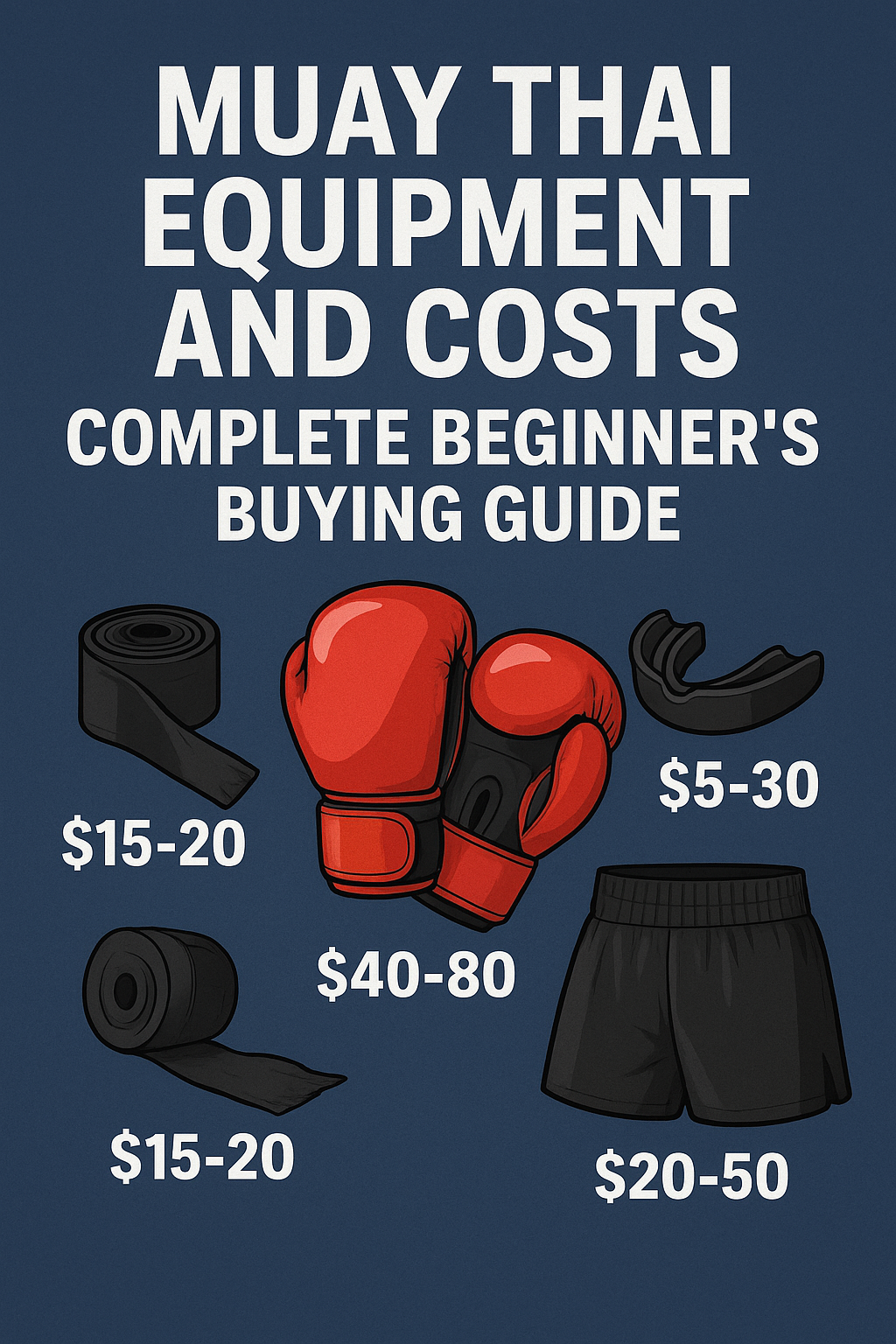
- Essential starter equipment costs $110-150: Hand wraps ($15-20), gloves ($40-80), mouthguard ($5-30), athletic clothing ($20-50), with most gyms providing loaner gear for first few sessions
- Buy two pairs of hand wraps immediately: Having backup pairs when one's in the wash prevents missing training sessions—this $30 investment saves more frustration than any other purchase
- Avoid local sporting goods stores for Muay Thai gear: Equipment from generic sporting goods retailers offers lowest quality construction, inadequate protection, and won't last—invest in martial arts-specific brands
- First-year total costs range $1,500-3,000+: Monthly gym membership ($100-250), initial equipment ($110-150), replacement gear, optional upgrades, and potential private lessons create realistic budget expectations
- Training in Thailand costs 10,000-30,000 THB monthly (approximately $280-840 USD): Includes twice-daily training sessions and sometimes accommodation, making it incredibly affordable compared to Western gyms charging $100-300 monthly for limited classes
- Don't buy used protective gear: Gloves, shin guards, and headgear harbor bacteria, have hidden structural damage, and compromised protection—some savings aren't worth health risks
- Equipment needs evolve with training intensity: Fitness practitioners need minimal gear, hobbyists add sparring protection gradually, competitive fighters require specialized equipment for fight preparation
- Common beginner mistakes waste money: Buying complete gear sets before trying classes, purchasing cheap equipment requiring quick replacement, getting wrong sizes, and neglecting hygiene practices that destroy gear prematurely
Introduction: Separating Essential Muay Thai Equipment from Marketing Hype
Walk into any Muay Thai equipment retailer—online or physical—and you'll face overwhelming choices. Gloves in every color imaginable, shorts covered in elaborate designs, pads claiming revolutionary technology, supplements promising fighter-level performance. Sales pages tout "essential" gear lists containing fifteen items costing $500+ before you've attended a single class. Marketing creates artificial urgency: buy everything now or risk inadequate preparation, injury, or looking foolish.
This creates genuine confusion for beginners who don't yet know what they actually need versus what clever marketing makes them think they need. You want to start training prepared and safe, but you don't want to waste hundreds of dollars on equipment that sits unused or that you should have bought differently after gaining experience.
The truth about Muay Thai gear for beginners is far simpler than equipment retailers want you to believe. You need very little to start training effectively and safely. Most gyms provide loaner equipment for trial classes specifically so beginners can determine if they enjoy Muay Thai before investing in personal gear. The items you absolutely must own from day one cost roughly $110-150 total—far less than many beginners spend because they bought comprehensive gear packages before understanding what they actually needed.
This comprehensive guide cuts through the marketing noise to provide honest, experience-based guidance on what Muay Thai equipment beginners actually need. You'll learn which items are genuinely essential versus optional, when to buy personal gear versus using gym equipment, how to evaluate quality without overpaying for premium brands you don't yet need, realistic budget breakdowns across different price points and time horizons, critical safety and hygiene considerations that protect your health and extend gear lifespan, common purchasing mistakes that waste money or compromise safety, cost comparisons between training in Thailand versus abroad, and how your equipment needs evolve as you progress from complete beginner to experienced practitioner.
By the end, you'll know exactly what to buy, when to buy it, how much to spend, and which purchases can wait until you've gained experience that informs better decisions. You'll start training properly equipped without wasting money on gear you don't need or buying cheap equipment that fails quickly and requires replacement.
Let's begin with what you absolutely need before your first real training session.
Core Equipment Every Beginner Actually Needs
Contrary to lengthy "essential gear" lists you'll find elsewhere, beginners need remarkably few items to train safely and effectively. Everything else can be borrowed, rented, or purchased later after you've determined that Muay Thai suits you and understand your specific needs better.
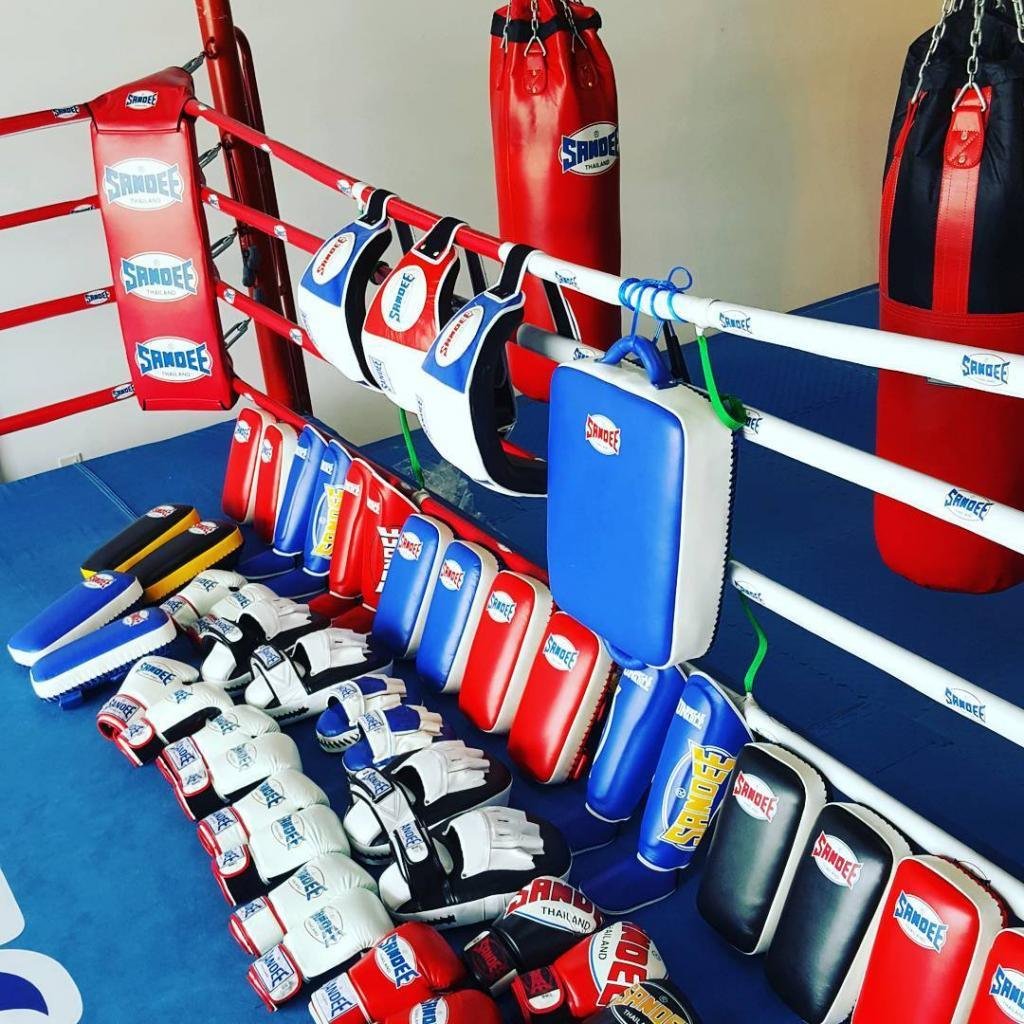
Hand Wraps - The One Truly Essential Purchase
Hand wraps are non-negotiable protective equipment for your hands and wrists. They're like seatbelts—not using them seems fine until suddenly it's catastrophic. Hand wraps protect the 27 small bones in your hands from impact damage, stabilize your wrists preventing hyperextension injuries, secure your thumb reducing dislocation risk, distribute impact forces across your entire hand rather than concentrating stress, and absorb some sweat keeping your gloves cleaner longer.
Most gyms do not provide hand wraps for hygiene reasons—these wrap directly against your sweaty skin and cannot be effectively sanitized between users. You must own your own immediately.
What to buy for hand wraps:
- Length: 180 inches (4.5 meters) for adults—provides adequate coverage without excessive bulk
- Material: Cotton or cotton-blend—breathable, durable, affordable
- Type: Mexican-style (stretchy) or traditional (non-stretch)—both works fine, personal preference
- Quantity: Buy TWO pairs minimum
Cost: $15-25 for two quality pairs
The two-pair recommendation is crucial. Hand wraps need washing after every session due to sweat absorption. If you own only one pair, you must wash and dry them immediately after training to use them next session. This is inconvenient and often doesn't allow sufficient drying time. Owning two pairs means you always have clean, dry wraps available—one of the best $15 investments you'll make.
Boxing or Muay Thai Gloves - Wait or Borrow Initially
Gloves are essential protective equipment, but unlike hand wraps, most gyms provide loaner gloves for beginners. This is actually advantageous because glove selection involves multiple considerations you won't understand until after several training sessions.
When to buy personal gloves: After 4-6 sessions when you've determined you'll continue training and understand what size and style you prefer.
Why wait: Gloves are the most expensive single equipment purchase ($40-150+), gyms provide adequate loaners initially, and your size and style needs become clearer with experience. You'll learn whether you prefer more wrist support or flexibility, tighter or looser fit, heavier or lighter weight for your training style, and specific brands that your gym's coaches recommend based on local availability and their experience.
If you must buy immediately:
- Size: 14oz or 16oz for beginners—provides adequate protection for both pad work and sparring
- Purpose: All-purpose training gloves, not specialized bag or sparring gloves
- Quality: Mid-range brands ($50-80)—not cheapest but not premium either
- Fit: Snug with hand wraps on, adequate wrist support, comfortable closure system
Cost: $40-100 for beginner quality, $100-150+ for premium brands
Avoid the temptation to buy the cheapest gloves available. Poor-quality gloves from generic sporting goods stores offer inadequate protection, break down quickly, and provide poor wrist support that increases injury risk.
Mouthguard - Essential Before Partner Work
Mouthguards protect your teeth, jaw, and reduce concussion risk during any activity involving potential contact—sparring obviously but also partner pad work where accidental impacts occasionally occur.
You won't need a mouthguard your first few sessions if you're only hitting bags. However, once you begin partner drills or pad work, mouthguard use becomes essential.
Mouthguard options:
- Boil-and-bite: $5-30, custom-moldable at home, adequate protection for most training
- Custom-fit: $100-300+, professionally molded to your teeth, maximum comfort and protection
For beginners, boil-and-bite mouthguards from reputable brands (Shock Doctor, SISU, Venum) provide adequate protection at minimal cost. Custom mouthguards are worthwhile investments for serious competitors or people with significant dental work to protect, but they're unnecessary initially.
Cost: $5-30 for quality boil-and-bite options
Never use gym-provided communal mouthguards for obvious hygiene reasons. This is a personal item you must own.
Athletic Clothing - You Probably Own This Already
You don't need specialized Muay Thai shorts or technical athletic wear to begin training. Regular athletic clothing you likely already own works fine initially:
- Moisture-wicking t-shirt or tank top (avoid cotton that stays soaked with sweat)
- Athletic shorts with freedom of movement for kicks
- Athletic underwear and sports bra (women)
- Athletic socks if your gym requires footwear between training areas
Cost: $0-50 depending on what you already own
Many beginners overthink clothing. Unless your gym requires specific uniforms (some do), comfortable athletic clothing allowing full range of motion is perfectly adequate. Specialized Muay Thai shorts are optional purchases you can make later if you determine they enhance your training comfort.
Water Bottle and Towel - Bring from Home
Training is intense and sweaty. Bring a water bottle and towel from home—no need to purchase specialized versions.
Total essential startup cost: $110-150 (assuming you buy hand wraps, mouthguard, and gloves while owning athletic clothing already)
This modest investment allows you to train safely and comfortably while determining whether Muay Thai suits you before committing hundreds more to specialized or optional equipment.
Optional Gear and When It Becomes Useful
Beyond essential starter equipment, several items enhance training comfort, safety, or progression but aren't immediately necessary. Understanding when each becomes useful helps you prioritize purchases as you continue training.
Shin Guards – Necessary for Partner Drills and Sparring
Shin guards protect both you and your training partners during kick-based drills and sparring. Unlike heavy bag work, partner drills involve repeated shin-to-shin and shin-to-forearm contact. Without protection, beginners often develop painful bruising, swelling, and bone stress that can interrupt training consistency.
When to buy
-
Typically after 2–3 months of training, once partner drills are introduced
-
Immediately before sparring, if your gym allows earlier sparring participation
What to look for in beginner shin guards:
-
Full shin + instep coverage (not just the shin bone)
-
Dense foam padding that absorbs impact without feeling mushy
-
Secure closure system: dual Velcro straps or elastic sleeves that prevent slipping
-
Lightweight design to maintain balance and footwork
-
Contoured shape that follows the natural curve of the shin
Avoid ultra-thin “competition-style” shin guards early on. They offer minimal protection and are intended for experienced fighters with conditioned shins and precise control.
Cost: $40–80 for beginner-friendly shin guards
Premium competition versions ($100+) are unnecessary at this stage.
Groin Protector – Optional but Strongly Recommended
A groin guard (cup) protects against accidental low kicks and knees. While Muay Thai rules prohibit groin strikes, accidents happen—especially during beginner drills where control is still developing.
Who should buy one early:
-
Men training partner drills or sparring
-
Anyone uncomfortable with accidental contact
-
Competitive-track trainees
Types:
-
Compression shorts with built-in cup (most comfortable)
-
Traditional jockstrap + cup (secure but less comfortable)
Cost: $15–40
While not mandatory in all gyms, a groin guard adds peace of mind and prevents a single bad accident from derailing your training motivation.
Ankle Supports – Injury Prevention, Not Fashion
Ankle supports are commonly seen in Muay Thai, but beginners often misunderstand their purpose.
They do not:
-
Make you kick harder
-
Improve technique
-
Replace proper warm-ups
They do:
-
Provide warmth and light compression
-
Increase ankle proprioception (body awareness)
-
Offer mild support for previously injured ankles
Who benefits:
-
Trainees with a history of ankle sprains
-
Beginners experiencing mild ankle soreness from pivoting
-
Those training frequently on hard floors
Cost: $10–20 per pair
Do not rely on ankle supports to compensate for poor technique or mobility limitations.
Headgear – Rarely Necessary for Beginners
Headgear is uncommon in Muay Thai compared to boxing. Most gyms do not require or encourage it for beginners.
Why:
-
Muay Thai sparring emphasizes control, not head-hunting
-
Headgear can restrict vision and alter defensive habits
-
Clinch work becomes awkward with bulky headgear
Exceptions:
-
Medical recommendations
-
Light technical sparring for highly risk-averse individuals
Verdict: Skip it unless specifically advised by your coach.
Equipment Quality: What Actually Matters (and What Doesn’t)
Brand Names vs. Build Quality
Beginners often assume expensive brands automatically mean better protection. In reality, fit, padding density, and construction quality matter more than logos.
What matters most:
-
Stitching durability
-
Padding consistency (no dead spots)
-
Wrist support in gloves
-
Secure closures that don’t loosen mid-training
What matters least early on:
-
Leather vs. synthetic (both work fine initially)
-
Fighter endorsements
-
Limited-edition designs
-
Social media hype
Mid-range brands often offer the best balance of protection, durability, and price for beginners.
Why Sporting Goods Stores Are a Bad Choice
Generic sporting goods retailers design gloves for fitness boxing, not Muay Thai.
Common problems:
-
Poor wrist stabilization
-
Thin padding that compresses quickly
-
Short lifespan (6–12 months)
-
Inadequate protection during partner work
Always buy from combat sports–specific brands or reputable martial arts retailers.
Hygiene, Maintenance, and Gear Longevity
Why Hygiene Is a Safety Issue, Not Just Cleanliness
Muay Thai gear absorbs sweat, bacteria, and skin cells. Poor hygiene leads to:
-
Skin infections (ringworm, staph)
-
Foul odors that never fully disappear
-
Rapid equipment breakdown
-
Health risks for training partners
Golden hygiene rules:
-
Wash hand wraps after every session
-
Air-dry gloves immediately after training
-
Never leave gear sealed in a bag overnight
-
Wipe down shin guards and gloves weekly with disinfectant
-
Rotate gear when possible
A $60 pair of gloves can last 3–5 years with proper care—or 6 months without it.
Why You Should Never Buy Used Protective Gear
Used gloves, shin guards, and headgear:
-
Contain bacteria deep in padding
-
Have hidden structural damage
-
Offer compromised protection
-
Pose health risks
The money saved is never worth the risk of infection or injury.
How Equipment Needs Change Over Time
Fitness-Focused Trainees
-
Gloves
-
Hand wraps
-
Mouthguard
-
Minimal protective gear
Hobbyist Practitioners
-
Shin guards
-
Better-quality gloves
-
Groin protection
-
Optional ankle supports
Competitive Fighters
-
Multiple glove pairs
-
Specialized bag gloves
-
Fight shin guards
-
Custom mouthguard
-
Training vs. fight gear separation
Buying gear gradually ensures you don’t overspend on equipment you may never need.
Common Beginner Buying Mistakes (That Waste Money)
-
Buying full gear sets before first class
-
Choosing cheapest options that require fast replacement
-
Buying wrong glove sizes
-
Ignoring hygiene practices
-
Purchasing competition gear too early
Smart buying is progressive, not impulsive.