

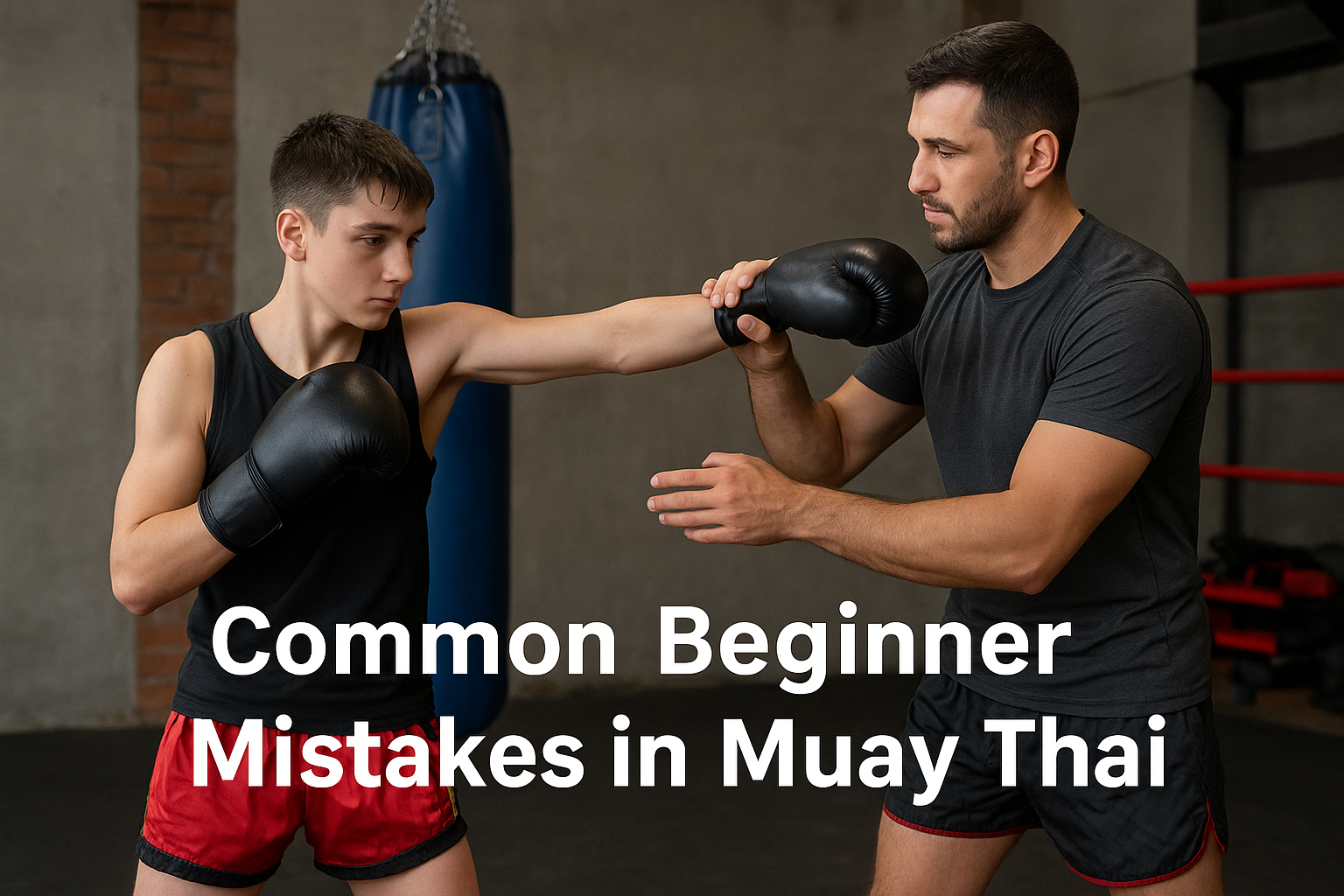
Common Beginner Mistakes in Muay Thai (And How to Avoid Them)

Quick Takeaways
-
Overtraining is the fastest way to stall progress — training too frequently without proper recovery leads to fatigue, injuries, and burnout
-
Technique always comes before power — real striking power comes from mechanics, balance, and timing, not brute force
-
Ego sparring slows learning and increases injury risk — training is about improvement, not “winning” rounds in the gym
-
Skipping fundamentals creates long-term limitations — footwork, stance, guard, and conditioning support all advanced techniques
-
Clear communication prevents injuries and misunderstandings — open dialogue with coaches and training partners improves safety and progress
-
Progress in Muay Thai is gradual, not linear — unrealistic expectations cause frustration and early dropout
-
Mobility and injury prevention are essential, not optional — neglecting flexibility and recovery leads to chronic pain and setbacks
Introduction: Why Most Beginners Struggle (Even When They Train Hard)
Three months after joining a Muay Thai gym, many beginners experience the same confusing reality. They train more often, sweat harder, and push themselves further than ever before — yet their progress feels slower than expected. Techniques still feel awkward. Conditioning remains exhausting. Minor aches turn into constant discomfort. Motivation begins to fade.
This struggle isn’t because Muay Thai is “too hard,” nor because beginners lack discipline or talent. In most cases, it comes down to predictable beginner mistakes — errors made not from laziness, but from enthusiasm, misinformation, and a misunderstanding of how Muay Thai training actually works.
Muay Thai is a long-term discipline. It rewards patience, consistency, and intelligent effort. When beginners approach it with short-term intensity or unrealistic expectations, progress slows and injury risk increases.
By understanding these common beginner mistakes — and learning how to avoid them — you can train more safely, progress more efficiently, and enjoy Muay Thai for years rather than burning out after a few months.
Mistake #1: Overtraining and Ignoring Recovery Signals
Many beginners believe that training more automatically leads to faster improvement. In reality, Muay Thai progress depends on the balance between training stress and recovery. Without adequate recovery, the body doesn’t adapt — it simply breaks down.
What Overtraining Actually Means
Overtraining isn’t limited to professional athletes. Beginners are especially vulnerable because their bodies are not yet conditioned for the impact, volume, and intensity of Muay Thai.
Overtraining occurs when:
-
Training frequency exceeds recovery capacity
-
High-intensity sessions are stacked without rest
-
Sleep, nutrition, and hydration are neglected
Common Overtraining Symptoms Beginners Miss
Physical symptoms
-
Persistent fatigue that sleep doesn’t resolve
-
Declining performance despite consistent training
-
Increased injury susceptibility
-
Prolonged muscle soreness
-
Elevated resting heart rate
-
Frequent illness
Mental and emotional symptoms
-
Irritability or mood swings
-
Anxiety or low mood related to training
-
Difficulty concentrating
-
Loss of motivation or enjoyment
Why Beginners Overtrain
Beginners often:
-
Fear falling behind more experienced teammates
-
Feel pressure to “prove” commitment
-
Mistake soreness for progress
-
Copy advanced fighters’ training schedules
How to Avoid Overtraining as a Beginner
-
Train 3–4 times per week initially
-
Include at least 1–2 rest days per week
-
Prioritize sleep, hydration, and nutrition
-
Alternate hard and light training days
-
Listen to your coach when advised to rest
Progress happens during recovery — not during exhaustion.
Mistake #2: Chasing Power Instead of Mastering Technique
Power looks impressive, but uncontrolled power is inefficient and dangerous. Beginners who focus on hitting harder before learning proper mechanics often develop habits that limit long-term progress.
Why Power-First Training Fails
When beginners force power:
-
Balance breaks down
-
Technique deteriorates
-
Injury risk increases
-
Energy drains quickly
Power without structure is wasted effort.
Where Real Power Comes From
Effective Muay Thai power is generated through:
-
Proper stance and balance
-
Hip rotation and weight transfer
-
Timing and relaxation
-
Efficient kinetic chains
Experienced fighters appear powerful because their technique allows energy to flow smoothly through the body.
How to Develop a Technique-First Mindset
-
Focus on clean execution, not impact
-
Slow movements down during drills
-
Accept corrections without frustration
-
Trust that power will develop naturally over time
Technique is the multiplier that turns effort into effectiveness.
Mistake #3: Ego Sparring and Treating Training Partners Like Opponents
Sparring is one of the most misunderstood aspects of Muay Thai training. Many beginners treat sparring as a competition rather than a learning tool.
Why Ego Sparring Is Harmful
Ego-driven sparring:
-
Increases injury risk
-
Creates hostile gym environments
-
Slows technical development
-
Damages trust between training partners
Muay Thai sparring is about control, timing, and awareness, not domination.
What Good Sparring Actually Looks Like
Healthy sparring involves:
-
Light to moderate contact
-
Mutual respect
-
Open communication during rounds
-
A focus on learning, not winning
If you injure your training partners, you lose valuable opportunities to improve.
Mistake #4: Skipping Fundamentals and Conditioning Work
Fundamentals may feel repetitive, but they form the foundation of everything in Muay Thai. Beginners who rush past the basics often hit performance ceilings early.
Why Fundamentals Matter
Strong fundamentals improve:
-
Balance and movement
-
Defense and recovery
-
Endurance and efficiency
-
Resistance to injury
Common Fundamentals Beginners Neglect
-
Proper stance and guard
-
Footwork and angles
-
Basic defensive movements
-
Skipping rope and conditioning drills
How to Build Strong Fundamentals
-
Treat fundamentals as daily practice, not warm-ups
-
Ask coaches for feedback on stance and guard
-
Embrace repetition as refinement
Advanced techniques only work when fundamentals support them.
Mistake #5: Poor Communication with Coaches and Training Partners
Many beginners stay silent out of politeness or fear of appearing weak. Unfortunately, this leads to avoidable injuries and misunderstandings.
Why Communication Matters
Clear communication helps:
-
Adjust intensity during drills
-
Prevent unnecessary injuries
-
Improve learning efficiency
-
Build trust with training partners
How to Communicate Effectively
-
Inform partners if you’re injured or fatigued
-
Ask coaches for clarification when unsure
-
Speak up if contact is too hard
-
Be honest about your experience level
Communication is a sign of maturity, not weakness.
Mistake #6: Setting Unrealistic Progress Expectations
Muay Thai progress is gradual and non-linear. Beginners often expect visible improvement within weeks, leading to frustration and disappointment.
What Realistic Progress Looks Like
-
0–3 months: Learning fundamentals and building conditioning
-
3–6 months: Improved coordination and confidence
-
6–12 months: Noticeable technical consistency
Why Beginners Get This Wrong
Social media highlights:
-
Highlight reels, not daily struggle
-
Professionals with years of experience
-
Unrealistic transformation timelines
How to Set Better Goals
-
Measure consistency, not perfection
-
Focus on skill quality rather than speed
-
Compare progress only to your past self
Progress compounds over time.
Mistake #7: Neglecting Mobility, Flexibility, and Injury Prevention
Muay Thai places high demands on joints, muscles, and connective tissue. Ignoring mobility and flexibility leads to chronic pain and restricted movement.
Why Mobility Matters
Good mobility:
-
Improves kicking range
-
Reduces injury risk
-
Enhances recovery
-
Supports long-term training
Common Beginner Mistakes
-
Skipping warm-ups
-
Avoiding stretching
-
Ignoring minor pain
-
Training through stiffness
How to Prevent Injuries
-
Warm up thoroughly before training
-
Stretch consistently
-
Address pain early
-
Include mobility work weekly
Injury prevention is progress preservation.
Building Sustainable Muay Thai Training Habits
Long-term success in Muay Thai is built on:
-
Consistent, balanced training
-
Intelligent recovery
-
Technical focus
-
Humility and patience
Short-term intensity fades. Sustainable habits last.
Conclusion: Long-Term Growth Over Short-Term Intensity
Muay Thai isn’t about rushing progress — it’s about earning it. The beginners who improve the most aren’t those who train the hardest, but those who train the smartest.
By avoiding these common mistakes, you give yourself the best chance to stay healthy, motivated, and consistently improving. With patience, awareness, and proper habits, Muay Thai becomes a lifelong practice rather than a short-lived phase.
Muay Thai rewards those who commit to the process.
Related Reading
-
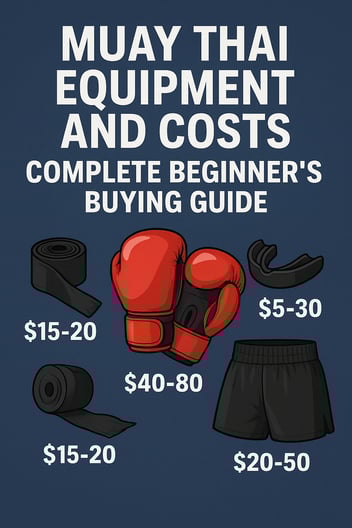
Muay Thai Equipment and Costs: Complete Beginner’s Buying Guide
-
How to Choose the Right Muay Thai Gym for Beginners
Frequently Asked Questions
How often should beginners train Muay Thai?
3–4 times per week is ideal for most beginners.
Is soreness normal when starting Muay Thai?
Yes, but persistent pain is a sign that rest or adjustment is needed.
How long does it take to get good at Muay Thai?
Foundational competence typically develops within 6–12 months of consistent training.
Should beginners spar immediately?
Only when advised by coaches and always with proper control.