

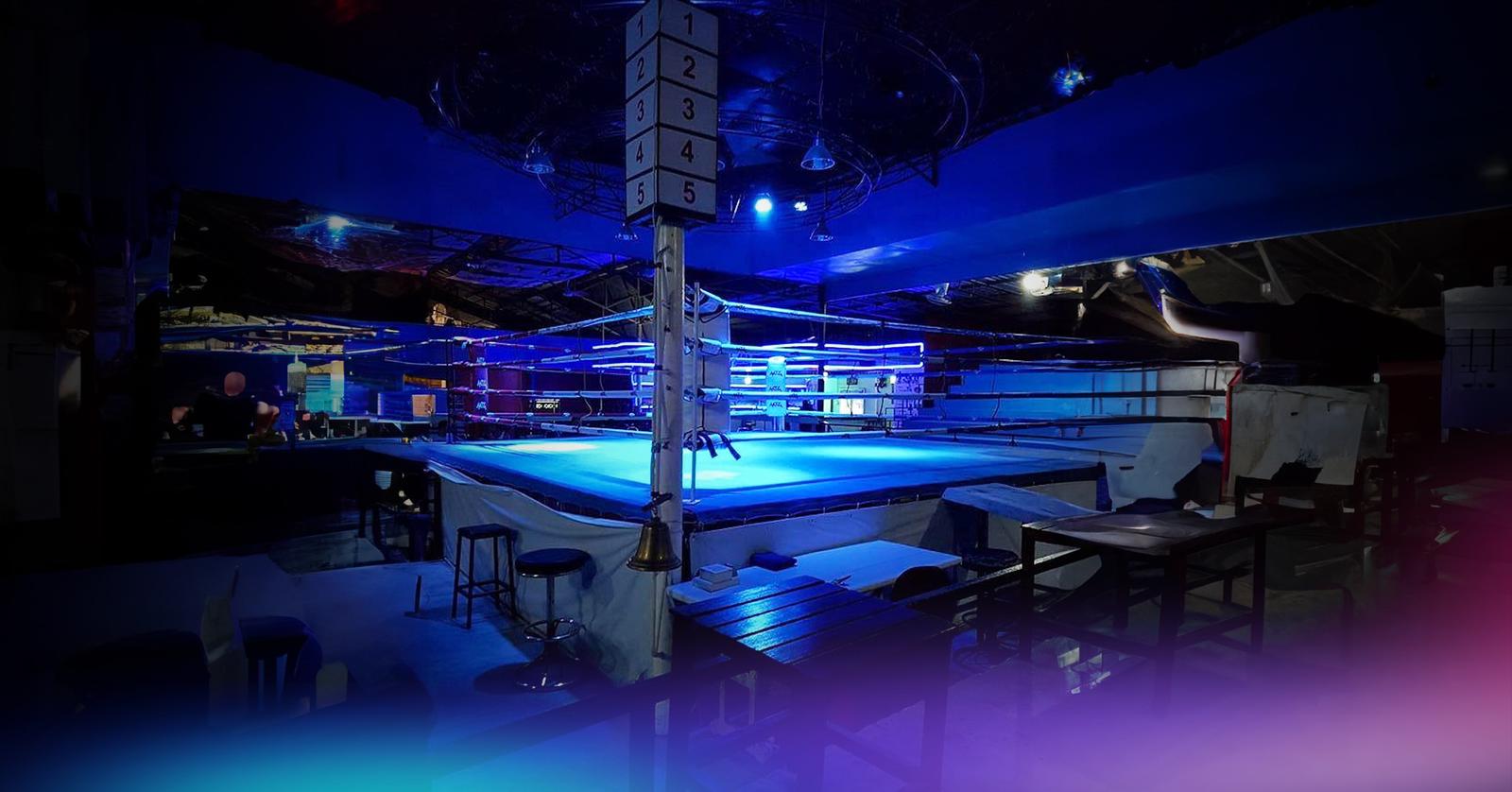
Muay Thai is more than a combat sport. It is a living cultural heritage, a social identity, a path of discipline, and increasingly, a global phenomenon that shapes both Thailand’s national image and the lives of fighters across the world. While outsiders may recognize Muay Thai for its fierce strikes—using fists, elbows, knees, and shins—those who step deeper into its world soon discover a profound ecosystem of traditions, symbols, rituals, and values that have been passed down for centuries.
To understand Muay Thai is to understand Thailand: its customs, its history, its resilience, and the unique relationship between teacher and student that continues to define how the art is practiced today. This blog explores the roots, meaning, and modern evolution of Muay Thai in a way that blends cultural reflection, historical context, and real-world insights from the gyms and fighters who live this tradition every day.
The Cultural Roots of Muay Thai
Muay Thai originated centuries ago as a battlefield combat skill, evolving from the traditional Thai martial art called Muay Boran. Over time, as Thailand moved away from constant warfare, these techniques transformed into a sporting practice and later into a competitive ring sport. But even as Muay Thai adapted, the cultural values stayed intact.
At its core, Muay Thai emphasizes:
-
Respect
-
Discipline
-
Patience
-
Honor
-
Gratitude
These values appear in every aspect of training, from the way fighters greet their teachers to the rituals performed before stepping into the ring.
Even in modern stadiums and international competitions, Muay Thai carries a spiritual foundation. Many movements, practices, and rituals are tied to beliefs in protection, good fortune, and expressing gratitude to teachers and ancestors. This is what separates Muay Thai from Western combat sports—it is not only about winning; it is about upholding a cultural legacy.
Teacher–Student Relationship and Gym Etiquette
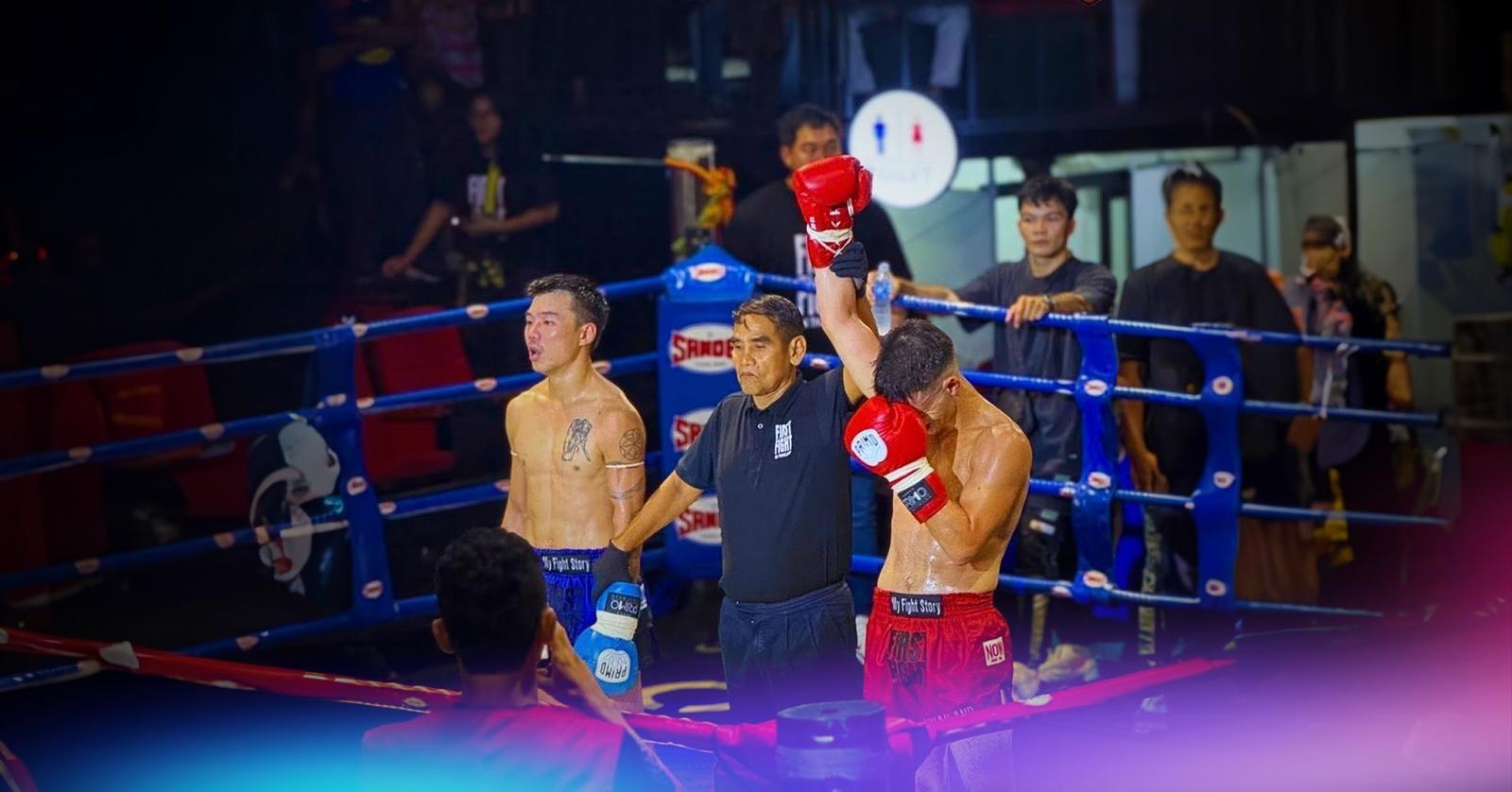
In Thailand, the relationship between a fighter (nak muay) and the teacher (kru) is highly respected and deeply meaningful. A fighter is not simply a student; they are part of the gym’s family. Many fighters even live at the gym, helping with chores, supporting younger students, or training alongside professionals.
This relationship is reinforced through rituals. When a student first joins a gym, many kru place the Mongkon—a sacred headpiece—on the student while offering a blessing or protection prayer. This moment symbolizes acceptance into the family. Some gyms also provide armbands called Pra Jiad for good luck, traditionally made by loved ones.
Gym etiquette reflects Thai cultural norms:
-
Show respect by wai-ing (palms pressed together)
-
Keep your voice humble
-
Never step over training equipment
-
Always listen to the kru
-
Help clean the gym, keep the space tidy
These practices teach discipline and reinforce the values of gratitude and respect that define Thai society. For many children who train, Muay Thai becomes a pathway toward growth, confidence, and life skills beyond the ring.
Rituals and Ceremonies
One of the most iconic elements of Muay Thai is the pre-fight dance called Wai Kru Ram Muay. To an outsider, it may look like a warm-up or performance, but it holds deep cultural importance.
Wai Kru is a gesture of respect to teachers, parents, and ancestors.
Ram Muay is the unique dance form performed to traditional music, telling a story of the fighter’s background or gym lineage.
Both are:
-
A spiritual cleansing
-
A request for protection
-
A demonstration of gratitude
-
A symbol of where the fighter comes from
These rituals connect Muay Thai to Thai spiritual beliefs. Fighters may also pray, meditate, or perform symbolic gestures before entering the ring. They touch all four corners of the ring as a form of respect and protection.
Even though Muay Thai has spread worldwide, many international gyms continue to preserve these rituals, proving how powerful and universal the cultural foundation is.
Symbolism of Mongkon and Pra Jiad
The Mongkon (headband) and Pra Jiad (armbands) are among the most recognizable sacred objects in Muay Thai.
Mongkon
-
Worn by fighters during the pre-fight ceremony
-
Given by the kru as a sign of acceptance
-
Represents protection, respect, and tradition
-
Considered sacred—fighters cannot touch or place it on the ground
Each gym has its own Mongkon, sometimes passed down over generations. It’s blessed during ceremonies or kept near spiritual shrines. Only the kru places it on the fighter; this act symbolizes the bond and responsibility between teacher and student.
Pra Jiad
-
Worn during training or fights
-
Traditionally made from cloth given by family members
-
Symbol of luck, strength, and protection
These items reflect how Muay Thai blends spirituality with physical performance. Many fighters believe they carry strength, memories, and protection from the people who support them.
Muay Thai as Thai Identity
Muay Thai is more than a sport—it is part of Thailand’s national identity. It is seen as a cultural symbol representing:
-
Thai resilience
-
Pride
-
Warrior spirit
-
Ethical values
-
Historical legacy
Even in advertisements, tourism campaigns, and international events, Muay Thai is used to showcase Thai culture and attract visitors. It serves as a form of soft power, helping shape the country’s global image.
This national significance is why Thailand continues investing in preserving Muay Thai traditions even as the sport evolves for global competition.
Invention of Tradition and Nationalism
Over time, Muay Thai has undergone a process academics call “invention of tradition.” This means that while some rituals originated long ago, others were shaped or emphasized in modern times to reinforce national identity.
Examples include:
-
The formal structure of Wai Kru in competition
-
The way Muay Thai is marketed in tourism
-
The national narrative linking Muay Thai to Thai pride and history
These shifts are normal in cultural practices. They show how Muay Thai stays relevant by blending historical roots with evolving societal values.
Gym Culture Beyond Training
Muay Thai gyms across Thailand differ greatly—from rural countryside gyms to tourism-focused facilities and elite competition camps. But there are shared cultural characteristics across all of them.
Gyms as Families
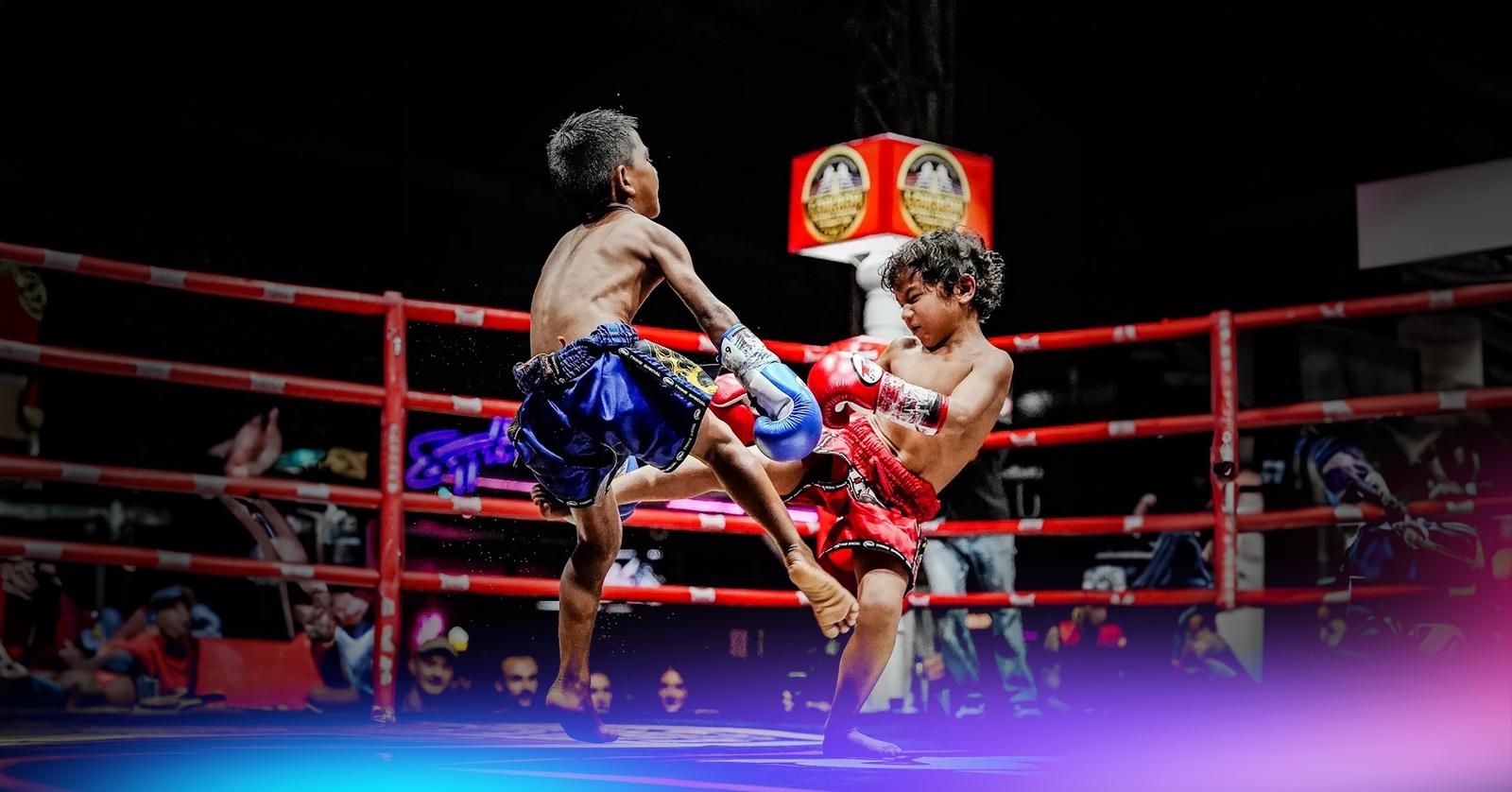
Many fighters grow up within the gym. They often live, eat, and train together. Older fighters help younger ones. Kru act not only as coaches but also mentors, guardians, and role models.
Community and Discipline
Fighters learn:
-
teamwork
-
respect
-
commitment
-
humility
Training is intense, often twice a day, six days a week. But the atmosphere is supportive. Winning is celebrated together, and losses are shared experiences that strengthen bonds.
International Students
Many gyms now welcome foreigners. Some come for fitness, others for professional training. They learn the cultural side of Muay Thai—bowing to the kru, participating in Wai Kru, respecting gym hierarchy. This cultural exchange is a major reason Muay Thai is spreading so authentically worldwide.
The Global Expansion of Muay Thai
Muay Thai has grown from a national sport to a global phenomenon. Gyms now exist in Europe, America, the Middle East, South America, and Asia. International fighters travel to Thailand to deepen their skills and understanding of the culture.
Several factors contributed to this rise:
-
Global popularity of combat sports
-
Increased tourism in Thailand
-
Influence of social media and influencers
-
International competitions and organizations
-
MMA showcasing Muay Thai striking
Yet despite its globalization, the cultural elements remain intact. Many foreign gyms adopt Thai rituals, use Thai terminology, and invite Thai trainers to teach abroad. This helps protect the authenticity of the art while allowing it to grow.
Muay Thai in Tourism and Economy
Muay Thai contributes significantly to Thailand’s economy.
Tourists travel specifically to:
-
Train at authentic Thai gyms
-
Watch stadium fights
-
Join short-term training camps
-
Experience cultural rituals and traditions
This has created jobs and opportunities for many Thais—trainers, gym owners, stadium staff, promoters, equipment sellers, and more. Muay Thai tourism continues to expand, becoming one of the most unique and culturally immersive travel experiences available in Thailand.
The Modern Shift: Sportification & IOC Recognition
As Muay Thai entered the international sports world, it underwent “sportification”—the process of standardizing rules and systems to fit international competition.
Changes include:
-
Less emphasis on slow, strategic pacing
-
More aggressive, high-output rounds
-
Standardized scoring systems
-
Clearer judging criteria
-
Uniforms and protective gear in some formats
These changes aim to make Muay Thai accessible for global audiences while preserving its cultural roots. The recognition of IFMA by the International Olympic Committee marks a major step forward, opening doors for future Olympic inclusion.
Muay Thai as Soft Power
With its global reach, Muay Thai has become a form of Thai soft power. It promotes:
-
Tourism
-
Cultural exchange
-
National identity
-
International collaboration
When people around the world learn Muay Thai, they also learn:
-
Thai language terms
-
Thai customs
-
Thai values
-
Thai history
The art becomes a bridge between Thailand and the world.
Conclusion
Muay Thai is far more than a fighting style. It is a cultural treasure shaped by history, community, spirituality, nationalism, and global evolution. From the rituals of Wai Kru and the significance of the Mongkon, to the deep bonds between kru and fighters, Muay Thai carries stories and values that continue to inspire millions.
As the sport expands internationally, it remains grounded in its roots—respect, discipline, and gratitude. These universal values are what make Muay Thai not only a martial art but a cultural heritage that connects past, present, and future.
Whether practiced for fitness, competition, or cultural appreciation, Muay Thai continues to be a powerful symbol of Thai identity and a global movement that brings people together through discipline, tradition, and heart.